The Afterlife in Dragon Ball Was Never Designed to Handle Power on This Scale
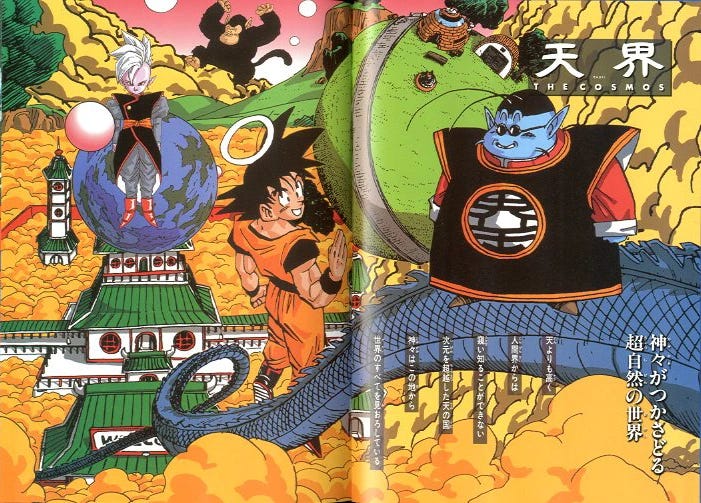
At first glance, Dragon Ball’s afterlife seems orderly. Souls are judged, villains are purified, heroes keep their bodies, and everything moves forward in a neat cycle. But the deeper the series goes, the more obvious it becomes that this system was never built to accommodate beings like Goku, Vegeta, or Frieza. Keeping physical bodies after death was originally rare and symbolic, yet over time it became common for the strongest fighters. This quietly breaks the logic of the afterlife. Death loses meaning when warriors can train, fight, and grow stronger beyond life itself. The system was designed for normal souls, not for mortals who can rival gods.
Supreme Kais Were Supposed to Be Cosmic Architects, Not Passive Observers
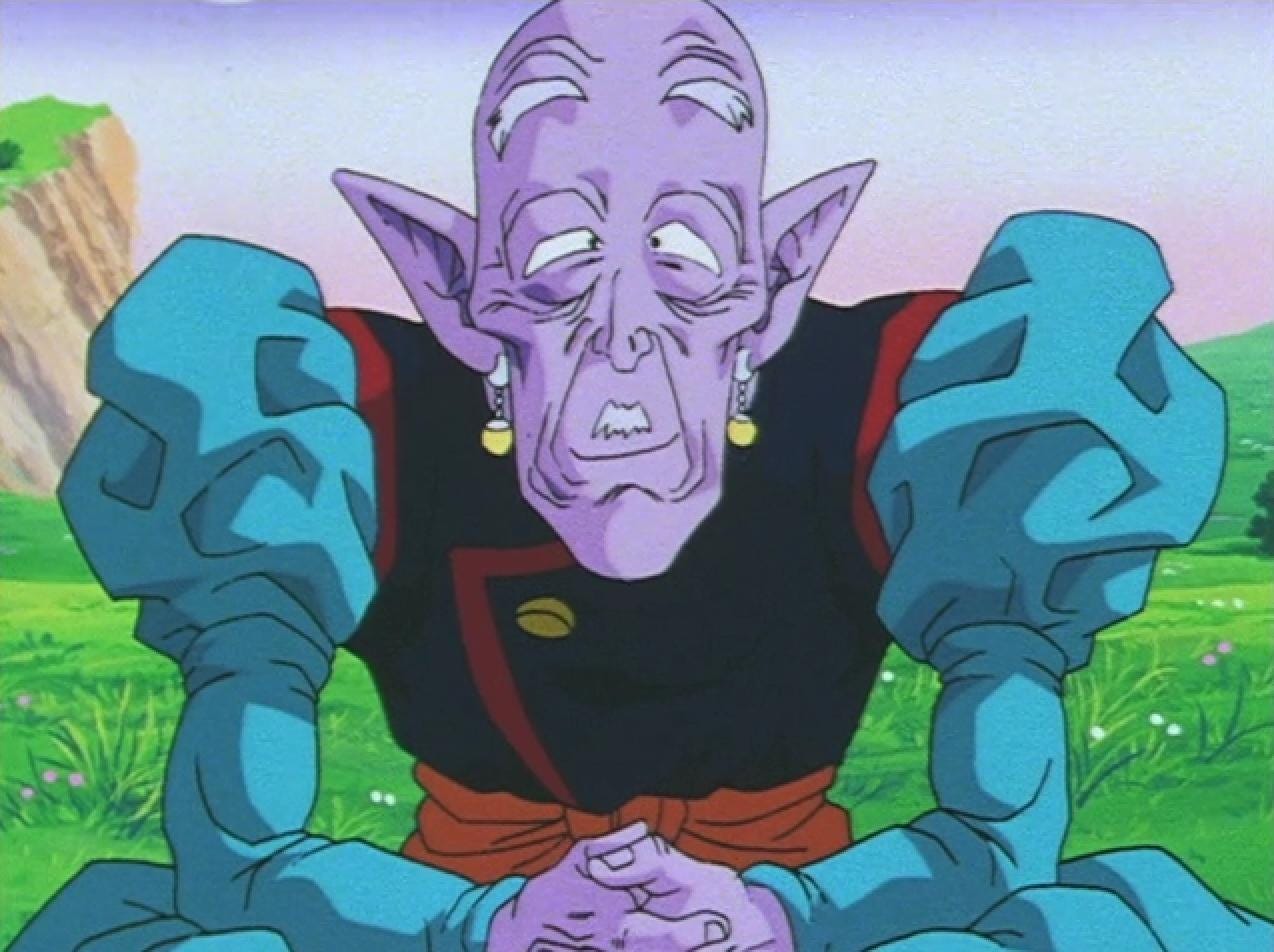
The lore tells us that Supreme Kais are creators, caretakers, and overseers of life. In practice, however, they are often reactive instead of proactive. By the time Shin intervenes in Dragon Ball Z, Majin Buu has already wiped out generations of gods. In Super, the Kais are consistently portrayed as outpaced by mortal threats. This raises an uncomfortable truth. The creation side of the universe stopped evolving while mortal power continued to skyrocket. The Kais are not weak characters. They are outdated ones. Their methods belong to a quieter universe that no longer exists.
Gods of Destruction Exist Because the System Failed Before
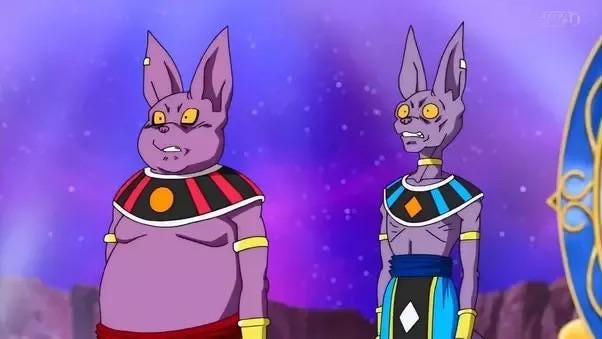
Gods of Destruction are framed as necessary evils, but their existence hints at a much larger problem. Destruction is not a natural counterbalance to creation. It is a correction mechanism. Beerus is not there to maintain harmony. He is there to erase mistakes that were allowed to grow too large. Entire civilizations are wiped out not because they are evil, but because the system could not guide them properly. This suggests the divine order is less about balance and more about damage control. Destruction is not elegant. It is a last resort.
Angels Are the Only Beings Who Understand the Real Rules
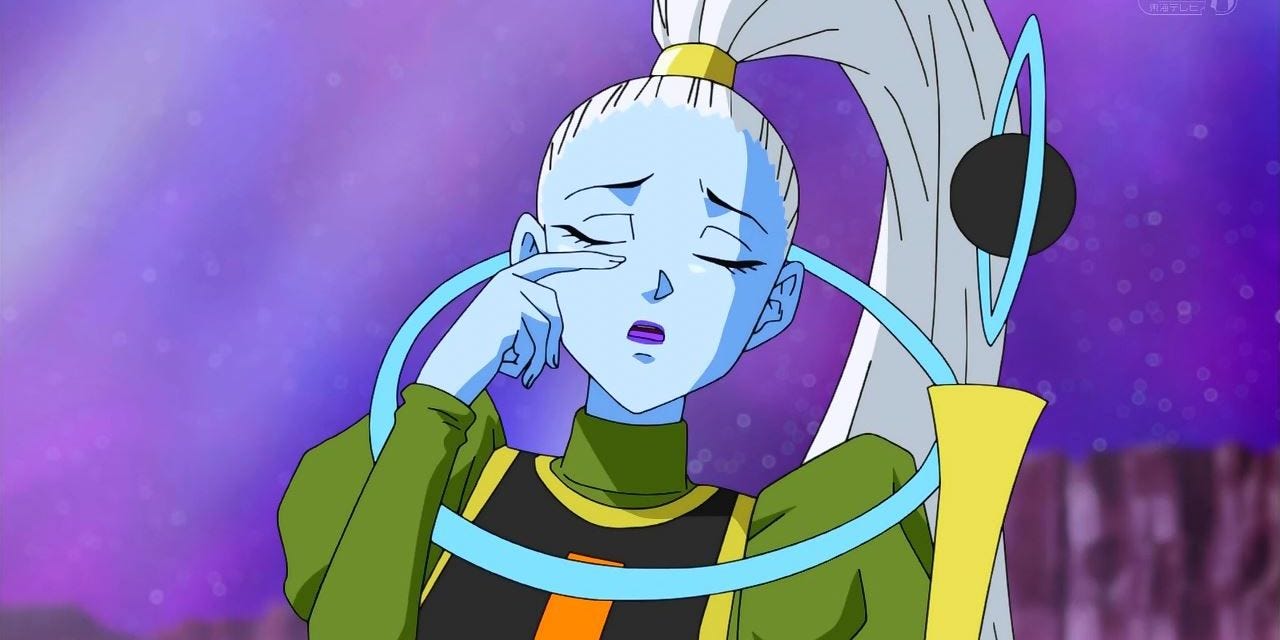
Angels like Whis and Vados operate under a completely different philosophy. They do not interfere emotionally. They do not take sides. They do not even react to universe ending threats unless protocol demands it. This is because Angels are not part of the moral system at all. They exist above it. Their neutrality suggests that the universe does not actually function on good versus evil, but on stability versus collapse. This is why Whis trains Goku and Vegeta without concern for their moral alignment. Growth stabilizes the universe. Stagnation destroys it.
Mortal Fighters Are Accidentally Replacing the Gods
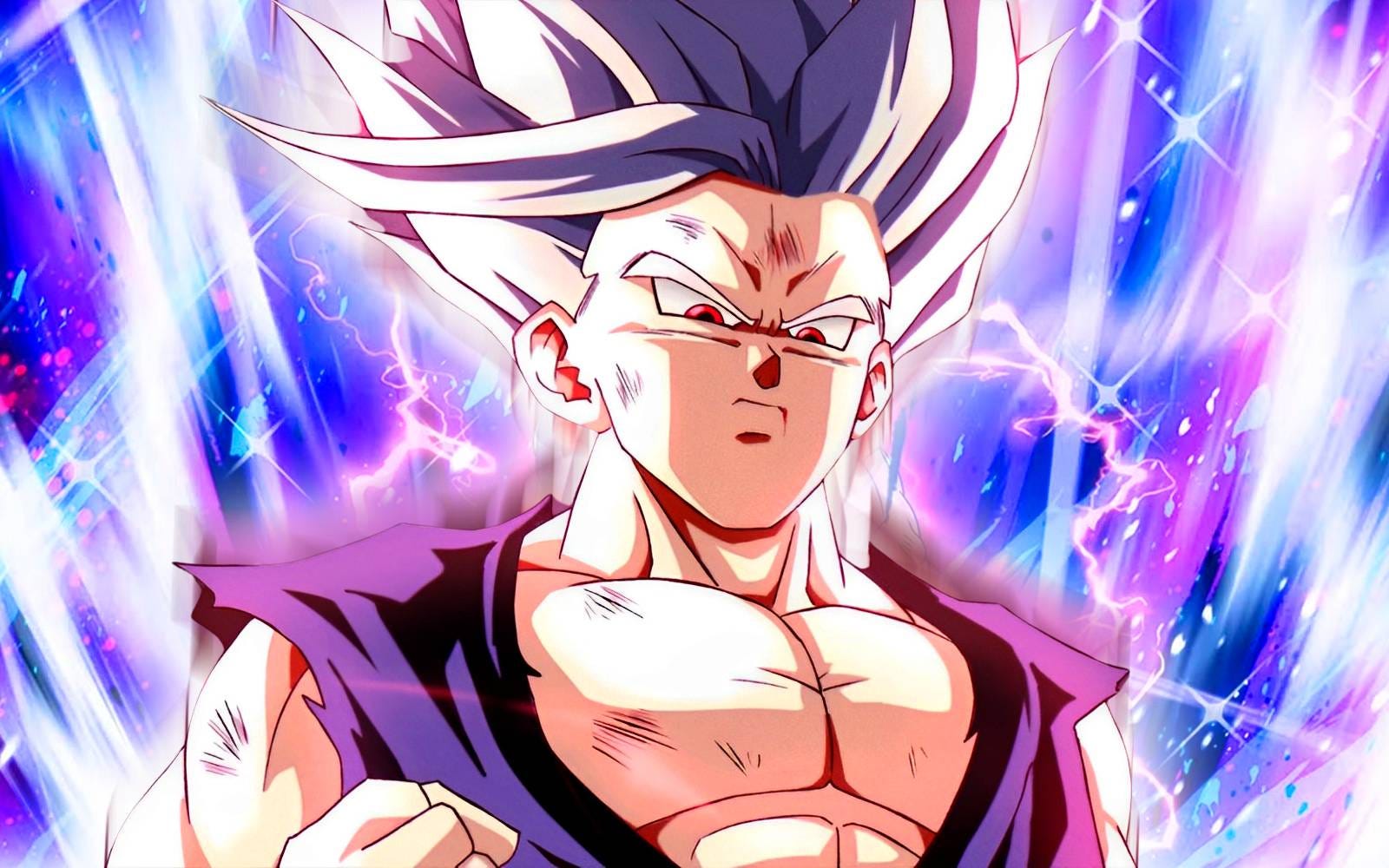
One of the most interesting consequences of Dragon Ball Super is that mortals now perform roles once reserved for divine beings. Goku and Vegeta protect cosmic balance more consistently than the gods assigned to do so. Gohan represents unrealized creation potential. Piccolo preserves ancient divine knowledge. Even Frieza operates as a destabilizing force that the universe must constantly adapt to. Mortals are no longer pieces within the system. They are becoming the system. This was never planned, and it explains why the divine hierarchy feels strained and unprepared.
The Universe Keeps Advancing While the Divine Structure Stays the Same
Power in Dragon Ball keeps evolving, but the gods do not. The same hierarchy exists despite threats increasing in scale every arc. This mismatch is the core flaw of Dragon Ball’s divine system. Mortals adapt. Gods enforce rules. Angels observe. Eventually, those roles stop aligning with reality. Super subtly shows this by letting mortals surpass gods while the structure itself remains unchanged. The system works only because mortals keep fixing its failures.
![Weekly ☆ Character Showcase #70: Zeno!] | DRAGON BALL ...](https://substackcdn.com/image/fetch/$s_!YJtt!,f_auto,q_auto:good,fl_progressive:steep/https%3A%2F%2Fsubstack-post-media.s3.amazonaws.com%2Fpublic%2Fimages%2F67b1ec67-9db1-4e31-b907-2bb9b3f6b6fb_770x404.jpeg "Weekly ☆ Character Showcase #70: Zeno!] | DRAGON BALL ...")
Conclusion
Dragon Ball is no longer a story about mortals rising to meet divine power. It is a story about mortals exposing the limits of divine authority. The gods are not incompetent, but they are static in a universe that refuses to stop evolving. The afterlife cannot contain power anymore. Creation cannot keep up. Destruction is overused. And Angels know far more than they ever say. Dragon Ball’s greatest conflict may not be its villains, but the outdated system trying to control a universe that has already outgrown it.