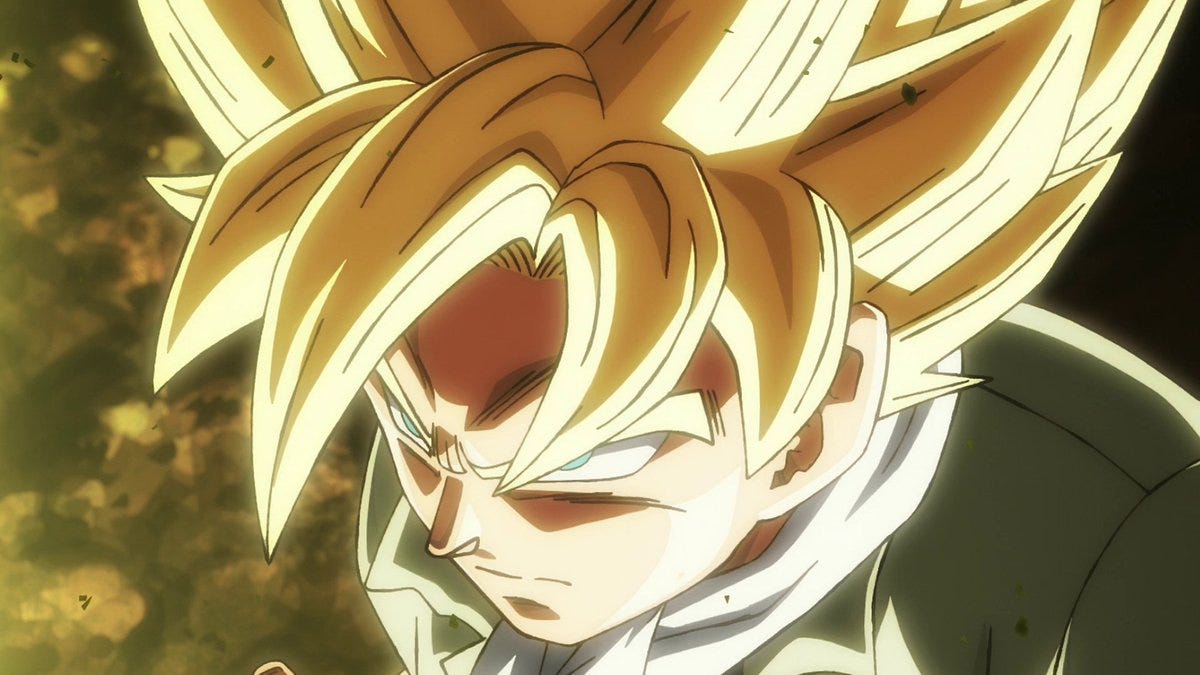
First Impressions After Watching It More Than Once
Sorry for the delay, but I needed to watch this episode a couple of times before sitting down and giving my thoughts. Dragonball Super: Beerus is something I’ve been looking forward to for a while, and I didn’t want to rush into reviewing it simply because everyone else was already sharing their reactions. With a project like this, I think it’s important to pay attention to more than just the animation. I wanted to look at the presentation, the pacing, the storytelling, and whether this enhanced version actually offers something worthwhile compared to the original Dragonball Super anime.
My biggest question going into the premiere was whether revisiting the Beerus arc was really necessary. We’ve already experienced this story through Battle of Gods and the original Dragonball Super anime, so I think it’s reasonable to expect more than a visual upgrade. If Toei is going to revisit material that fans already know, I want to see how the changes improve the experience rather than simply make familiar scenes look newer.
The Opening Establishes a Different Atmosphere
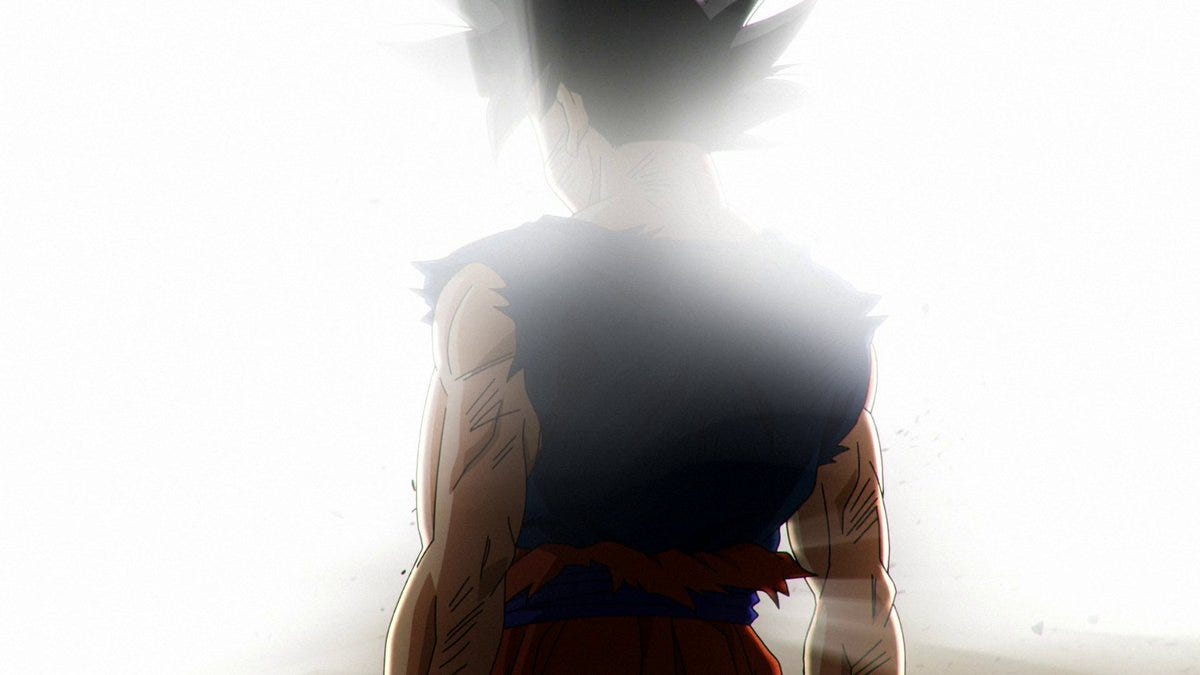
One of the first things that stood out to me was the overall presentation. The premiere, titled “The God Who Destroys,” reintroduces Beerus as he awakens and begins searching for the Super Saiyan God. We already know where this story is going, but the updated visuals, direction, and sound give familiar material a different atmosphere. Beerus’ introduction feels appropriately intimidating, which is important because this is the character who completely changes Goku’s understanding of power and introduces us to a much larger divine hierarchy.
I also appreciate that the episode doesn’t rely entirely on nostalgia. There are familiar scenes, but the changes in framing, lighting, and visual composition make them worth examining. The original Super anime had its strengths, but its early production was inconsistent, and I wanted this version to have a stronger visual identity from the beginning.
Goku’s Image Training Was One of the Highlights
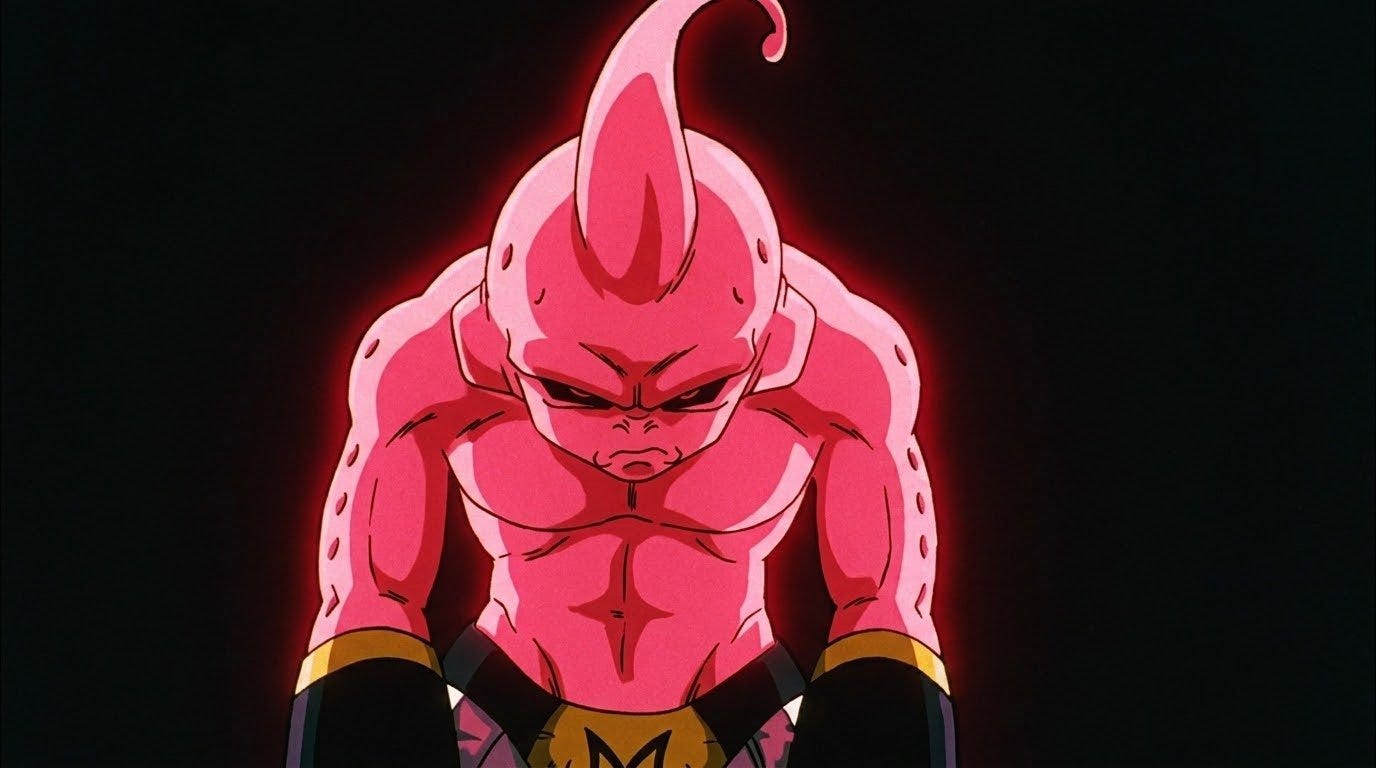
The sequence that caught my attention most was Goku’s image training. Watching him mentally revisit earlier opponents while Beerus’ awakening unfolds gives the premiere a connection between Goku’s past and the challenge waiting for him. It’s an effective way of reminding us how far Goku has come without having to explain his entire history through dialogue.
I particularly like what the sequence represents. Goku has spent his entire life searching for stronger opponents, improving his techniques, and discovering new limits. Even after everything he accomplished in Dragonball Z, he still trains because he knows there’s always something more to learn. Having that mentality emphasized alongside Beerus’ awakening makes their eventual meeting feel like the next stage of Goku’s journey rather than just another powerful villain arriving.
The Animation Is Better, but I Want to See More
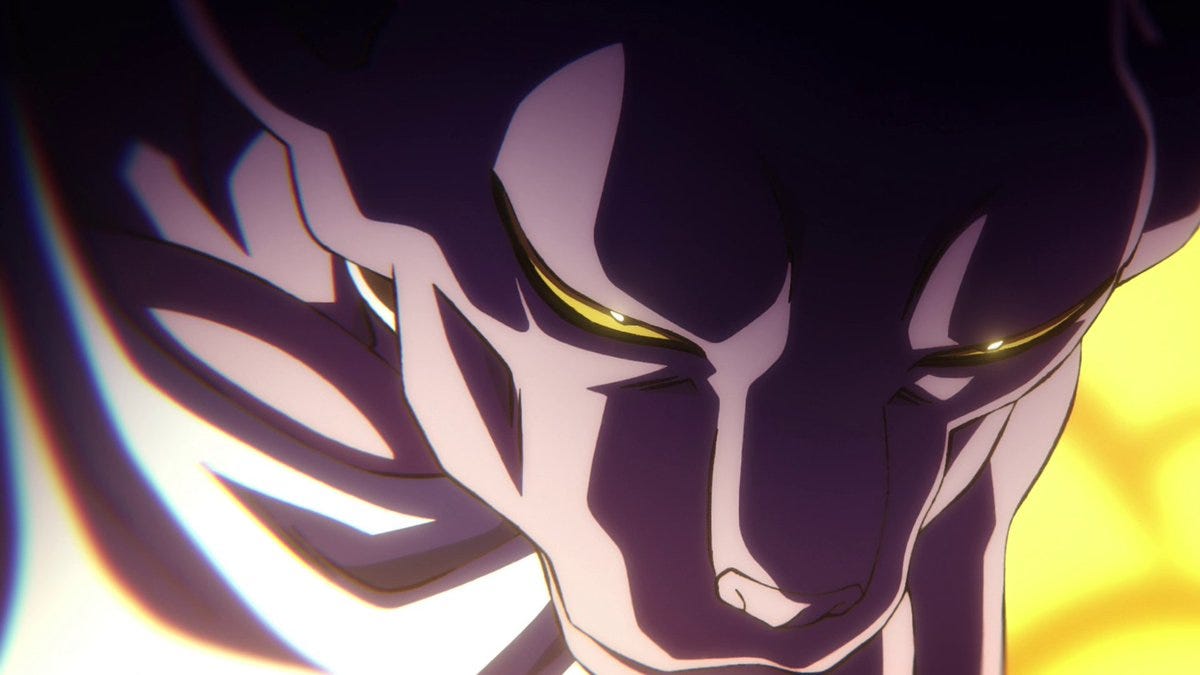
Visually, I think the first episode makes a strong case for why this enhanced edition exists. The updated character artwork, more controlled colors, and improved effects give the anime a cleaner appearance. Beerus’ confrontation with the alien creature is a good example, with revised action and more detailed energy effects helping the scene feel more dynamic.
However, I’m not ready to judge the entire project’s animation quality from this premiere alone. The real test will come when Goku and Beerus begin fighting, especially considering how much criticism the original anime received for certain early battle sequences. I want to see whether this production can maintain its quality during extended fights, transformations, and more demanding action scenes. A polished opening episode is encouraging, but consistency throughout the series is what will ultimately matter.
The Faster Pacing Comes With a Trade-Off
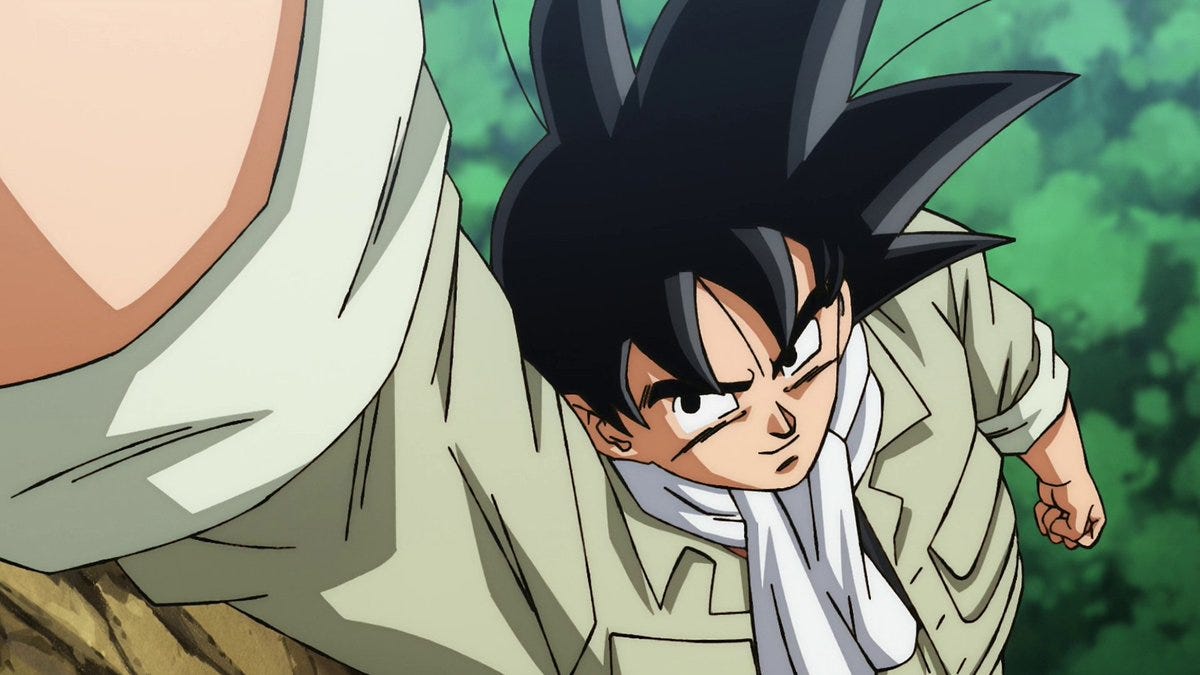
One of the most noticeable changes is how quickly the story moves. The premiere condenses material from the beginning of the original Super anime, reducing some of the slower introductory scenes and moving the focus toward Beerus and Goku. I can understand why the production team chose this approach, especially when the enhanced project is revisiting material that audiences have already experienced.
At the same time, I don’t automatically believe faster pacing means better storytelling. One of the things I appreciate about Dragonball is the time spent with characters outside of major battles. Family interactions, humor, and everyday moments are part of what makes the world feel alive. If too much of that material disappears simply to get to the action faster, I think something valuable could be lost. My hope is that the tighter pacing removes unnecessary repetition without sacrificing the personality that makes Dragonball special.
Does Episode 1 Justify Revisiting the Beerus Arc?
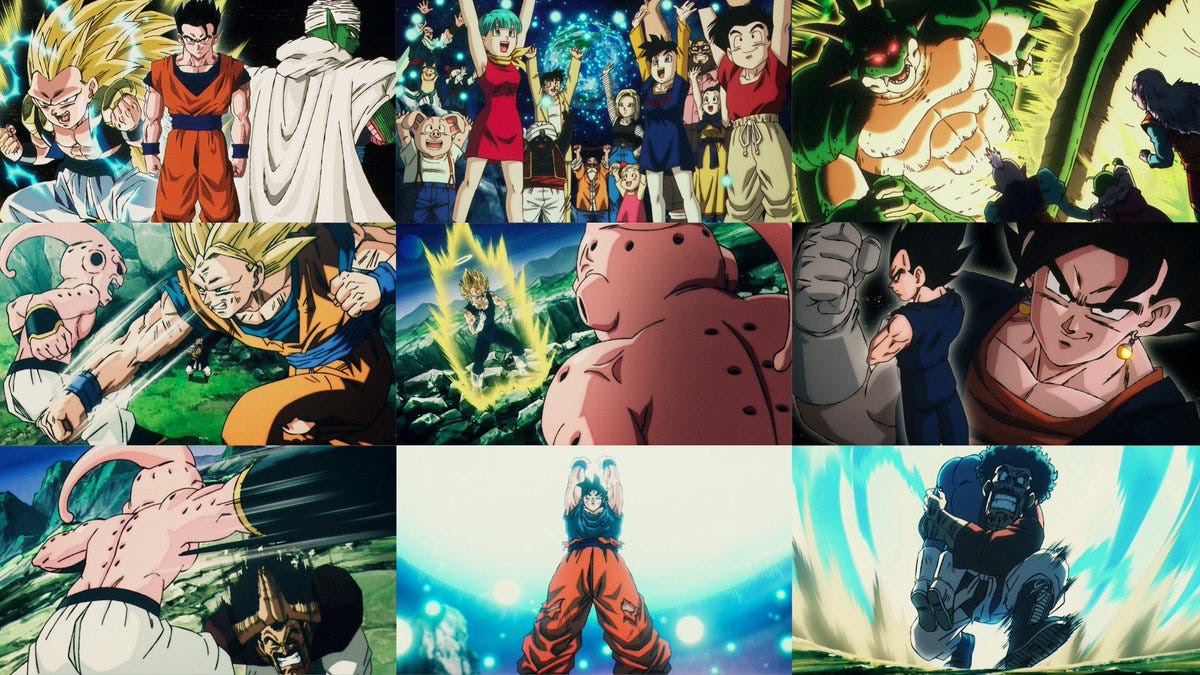
For me, the premiere is a promising start, but it hasn’t completely answered that question yet. I can see the effort being put into the presentation, and the image-training sequence demonstrates how new material can improve an existing story. Those are the kinds of changes I want from this project. I’m less interested in seeing every familiar scene recreated than I am in seeing thoughtful improvements to the storytelling.
I’m also curious about how much this version will incorporate from the manga and Toriyama’s original concepts. The first episode suggests that the production is willing to combine familiar material with different creative choices, but that doesn’t automatically make it a completely manga-accurate adaptation. I’ll be paying close attention to how those choices develop as we move through the Beerus, Resurrection ‘F,’ and Universe 6 material.
Final Thoughts: A Promising Start, but I’m Keeping My Expectations Reasonable
After going through the first episode, I think Dragonball Super: Beerus is off to a good start. The visual improvements are noticeable, the atmosphere feels more deliberate, and Goku’s image-training sequence was a particularly effective addition. I appreciate that the production isn’t simply presenting the original anime with a cleaner picture, because if we’re going to revisit this story, I want changes that genuinely improve the experience.
My biggest concern moving forward is the balance between pacing and character development. I don’t want Dragonball to lose its quieter moments simply because the production wants to move through familiar arcs more quickly. I also want to see whether the animation remains consistent when the more demanding battles begin.
For now, I’m optimistic. Episode 1 has given me enough to want to continue watching, but I still believe the best way to judge Dragonball Super: Beerus is by looking at the entire adaptation rather than declaring it a success or failure after one premiere. I’m especially looking forward to seeing how Goku’s first encounter with Beerus is handled, because that’s where this enhanced version will have its first major opportunity to prove itself.
My initial verdict: A strong visual improvement and an encouraging beginning, with the biggest questions still ahead.