

The Question Every Dragonball Fan Eventually Asks
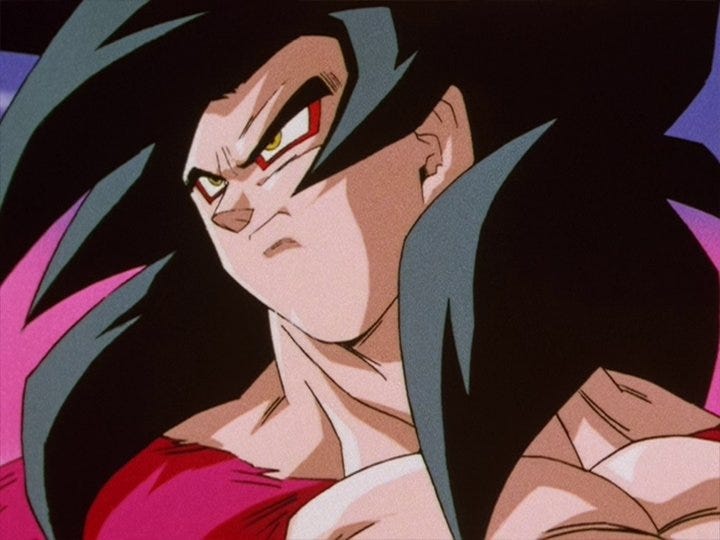
Whenever I think about doing a full Dragonball rewatch, I always end up asking the same question: should Dragonball GT be included, or is it completely skippable? This debate has followed the series for years because GT sits in such a strange place within the franchise. It continues the story after Dragonball Z, features older versions of familiar characters, introduces Super Saiyan 4, and gives us one of the most memorable endings in Dragonball history. At the same time, it was not adapted from an Akira Toriyama manga, parts of its story are inconsistent, and many fans consider it separate from the main continuity.
Personally, I do not think GT is required to understand the larger Dragonball story. If someone only wants to follow the main continuity from the original Dragonball through Dragonball Z, Dragonball Super, and Dragonball Daima, they can skip GT without becoming confused. However, I also do not believe that being technically skippable means it has no value. If the goal is to experience the full history of the franchise instead of only following canon, I think GT deserves a place in the rewatch.
GT Is Not Necessary to Understand the Main Continuity
The strongest argument for skipping GT is simple: the current Dragonball story does not depend on it. You can finish Dragonball Z and continue into Dragonball Super without needing to know anything about the Black Star Dragon Balls, Baby, Super Android 17, or the Shadow Dragons. None of those events are necessary to understand Beerus, the multiverse, the Tournament of Power, Ultra Instinct, or anything else that happens in Super.
That makes GT different from the other major series. The original Dragonball leads directly into Dragonball Z, and Z establishes almost everything that later stories build upon. GT is more like an alternate continuation of that ending. It uses the same characters and begins after a time skip, but its events are not treated as required background for the current storyline. From a continuity standpoint, skipping it is completely reasonable.
Skippable Does Not Mean Worthless
This is where I think the conversation becomes too extreme. Some fans hear that GT is not part of the main continuity and immediately decide that nothing in it matters. I disagree with that mindset because Dragonball has always been bigger than the question of what is canon. Movies, games, alternate timelines, and non-canon transformations have contributed some of the franchise’s most beloved ideas.
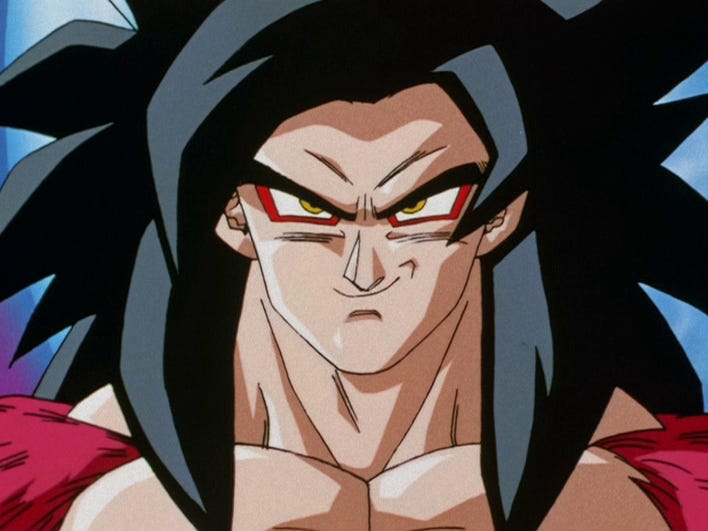
GT introduced concepts that are still celebrated today. Super Saiyan 4 remains one of the most popular transformations in the entire franchise. Baby is a villain connected directly to the Saiyans’ violent history with the Tuffles, which gives his hatred a level of personal meaning that many Dragonball villains do not have. The Shadow Dragon Saga also explores the consequences of repeatedly using the Dragon Balls, which is one of the most natural ideas the franchise could have developed.
Even when GT does not execute every idea perfectly, it still offers concepts worth experiencing.
The Early Episodes Are the Hardest Part of the Rewatch
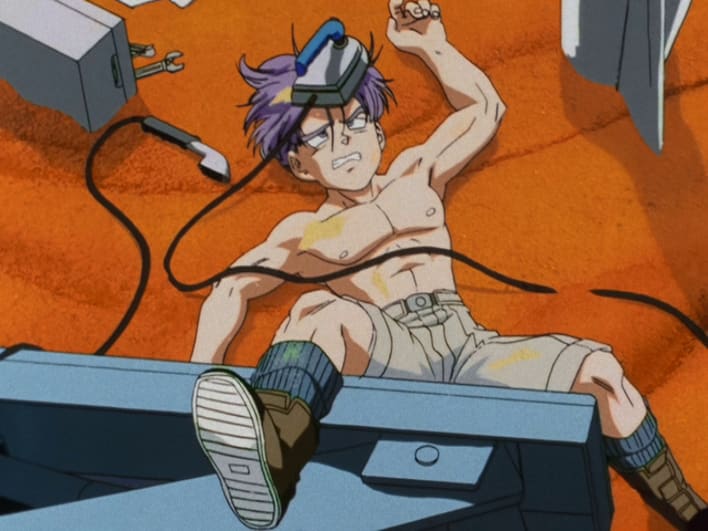
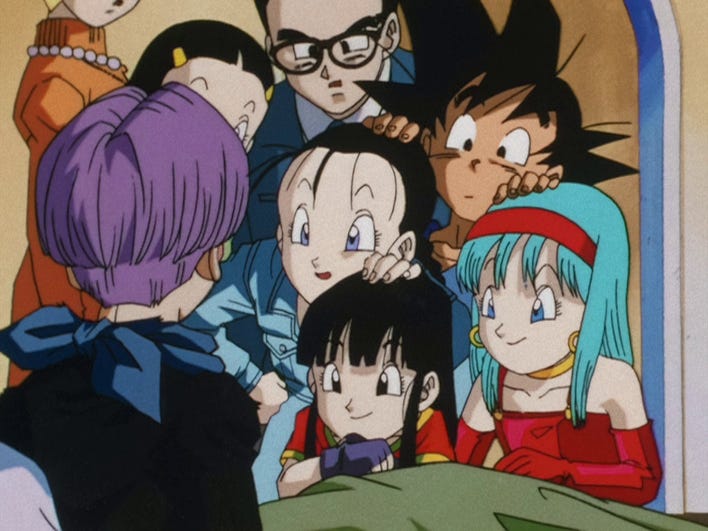
I understand why people struggle with GT because the opening portion can feel slow. Turning Goku into a child and sending him into space with Pan and Trunks was meant to bring back the adventure style of the original Dragonball. On paper, that makes sense. The problem is that the series does not immediately capture the same charm, humor, or sense of discovery that made the original journey so memorable.
The Black Star Dragon Ball Saga has entertaining moments, but it can feel disconnected from the more intense storylines fans had just finished watching in Dragonball Z. After battles against Frieza, Cell, and Majin Buu, the shift toward lighter space adventures may feel like the series has moved backward. Some of the planets and side characters also lack the impact needed to carry an extended journey.
For me, this is the section most likely to make someone consider skipping the entire series. However, I think GT becomes more focused once Baby is introduced.
The Baby Saga Is Where GT Finds Its Identity
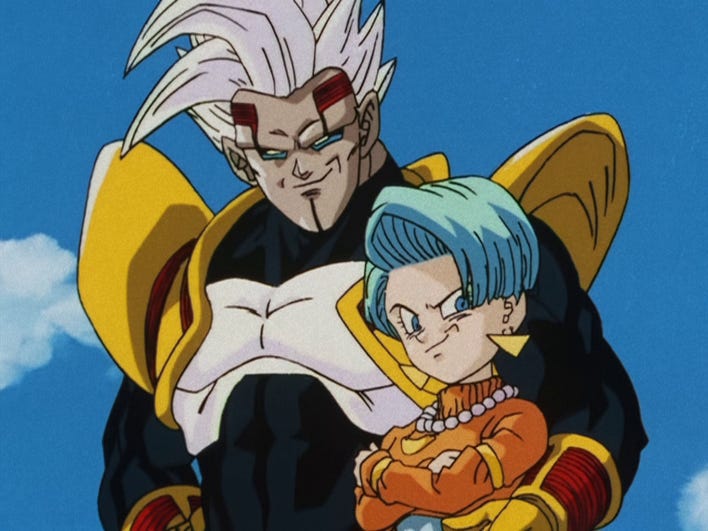
If there is one part of GT that I think every Dragonball fan should experience, it is the Baby Saga. Baby is one of the most interesting villains in the franchise because his motivation is tied directly to the sins of the Saiyan race. He is not attacking Earth simply because he wants power or destruction. He wants revenge against the people responsible for the downfall of the Tuffles.
That history makes his conflict with Vegeta especially meaningful. Baby taking control of Vegeta’s body is more than a random power-up because Vegeta represents the royal bloodline of the people Baby hates. The story also puts Goku in a position where he has to recover his lost power, regain his tail, and eventually unlock Super Saiyan 4.
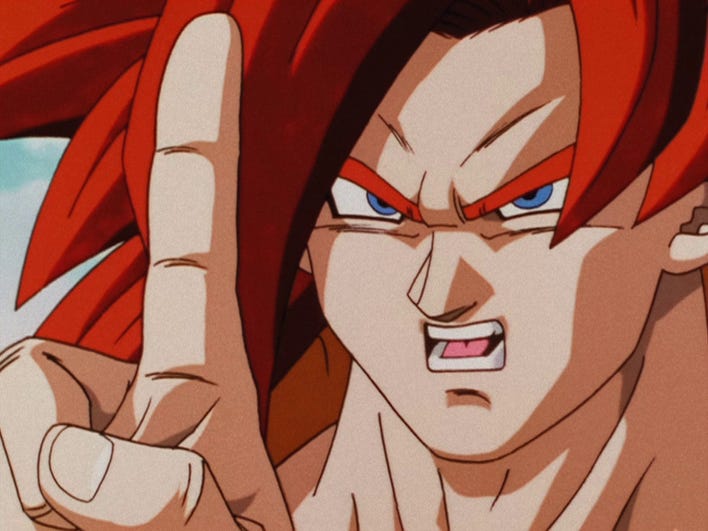
Super Saiyan 4 still stands out because it reconnects Saiyan power with the Great Ape transformation. Instead of relying only on divine energy or a new hair color, it feels connected to the biological and primal identity of the Saiyans. Regardless of how someone feels about GT as a whole, the transformation has earned its place in Dragonball history.
Super Android 17 Is the Most Skippable Major Arc
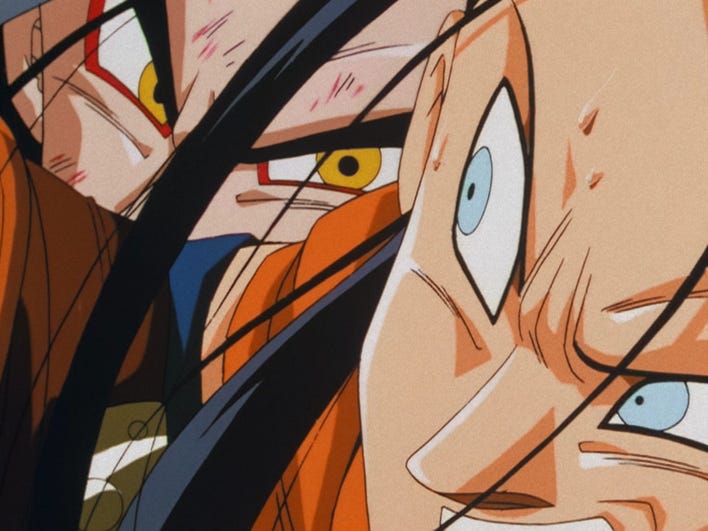
If I had to identify one part of GT that feels truly optional, it would be the Super Android 17 Saga. The concept of Android 17 being manipulated from Hell and fused with another version of himself could have been interesting, but the arc feels rushed and underdeveloped. Major villains return briefly, characters make questionable decisions, and Super Android 17’s abilities create inconsistencies that are not always explained clearly.
The arc also ends so quickly that it never reaches the emotional or narrative weight of the Baby Saga or the Shadow Dragon Saga. There are memorable moments, including Android 18 confronting 17 after Krillin’s death, but the overall storyline feels more like a bridge between GT’s stronger ideas.
During a full rewatch, I would still watch it for completion, but I would completely understand someone using a viewing guide or moving through it faster than the rest of the series.
The Shadow Dragons Are Too Important to Ignore
The Shadow Dragon Saga is probably the best argument against skipping GT entirely. For years, the heroes used the Dragon Balls to solve almost every major crisis. They revived friends, restored planets, erased damage, and repeatedly avoided the permanent consequences of tragedy. GT finally asks what would happen if that constant use created a problem of its own.
That is a brilliant concept.
The execution varies because some of the Shadow Dragons feel more like temporary obstacles than serious villains, but the central idea is one of the strongest in Dragonball. Syn Shenron and Omega Shenron also provide a threat that feels appropriate for the end of the series. The final battle forces Goku, Vegeta, and the people of Earth to confront the consequences of relying on the Dragon Balls for so long.
The ending also gives GT a level of emotional weight that many fans still appreciate, even if they dislike the rest of the show.
GT’s Ending Changes How I View the Series
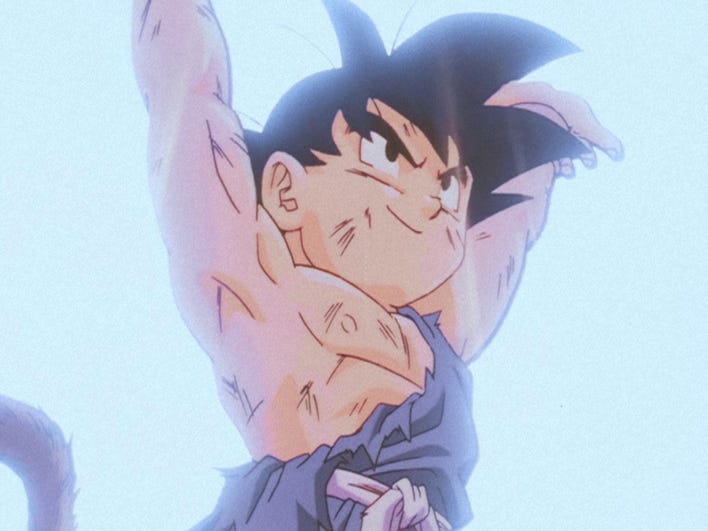
One reason I can never call GT completely skippable is because of its final episode. Goku’s departure, his connection to Shenron, and the montage through the history of Dragonball create a genuine sense of closure. It feels like the franchise is saying goodbye not just to Goku, but to the audience that followed him from childhood.
The ending is intentionally mysterious. It does not clearly explain every detail about what happened to Goku, and I think that works in its favor. By that point, Goku feels less like an ordinary fighter and more like a legend who has become permanently connected to the Dragon Balls.
Even people who criticize GT often admit that its ending is one of the most emotional conclusions in the franchise. For me, that alone gives the series value during a complete rewatch.
Should New Fans Watch It on Their First Rewatch?
For a newcomer, I would recommend watching the main continuity first. Start with the original Dragonball, continue through Dragonball Z, and then move into Dragonball Super and Daima depending on the order they prefer. That gives them a clear understanding of the primary storyline without creating confusion about where GT fits.
After that, I would treat GT as an alternate sequel and watch it with the right expectations. Do not expect it to connect directly to Super. Do not expect every idea to be executed perfectly. Instead, approach it as a different interpretation of what could have happened after the end of Z.
That mindset makes GT much easier to appreciate.
My Final Verdict
So, is Dragonball GT skippable during a full rewatch? Technically, yes. If someone only cares about the main continuity, they can skip it without missing anything necessary for the current story. It is not required viewing in the same way that Dragonball and Dragonball Z are.
However, if someone says they are rewatching the entire Dragonball franchise, I do not think the experience feels complete without GT. It introduced Super Saiyan 4, gave us Baby and the Shadow Dragons, explored the consequences of the Dragon Balls, and delivered one of the most emotional endings in the series. Its flaws are real, but so are its contributions.
I would not tell anyone that they have to love GT. I would tell them to watch it at least once and form their own opinion. Dragonball is too large and too influential to reduce every discussion to canon versus non-canon. Sometimes a series can be imperfect, separate from the main timeline, and still be an important part of the franchise’s history.
I love your take on GT and I agree with you it has its moments but it should definitely be the last one that you watch Toei Animation tired there best without Akira Toriyama and you see the results if your going to make some new dragon Ball Content you have to make sure it's almost close to perfect because dragon Ball is to great because the last thing you would want to do is mess up toriyama legacy but in conclusion GT should always be the last piece of dragon Ball history you watch