

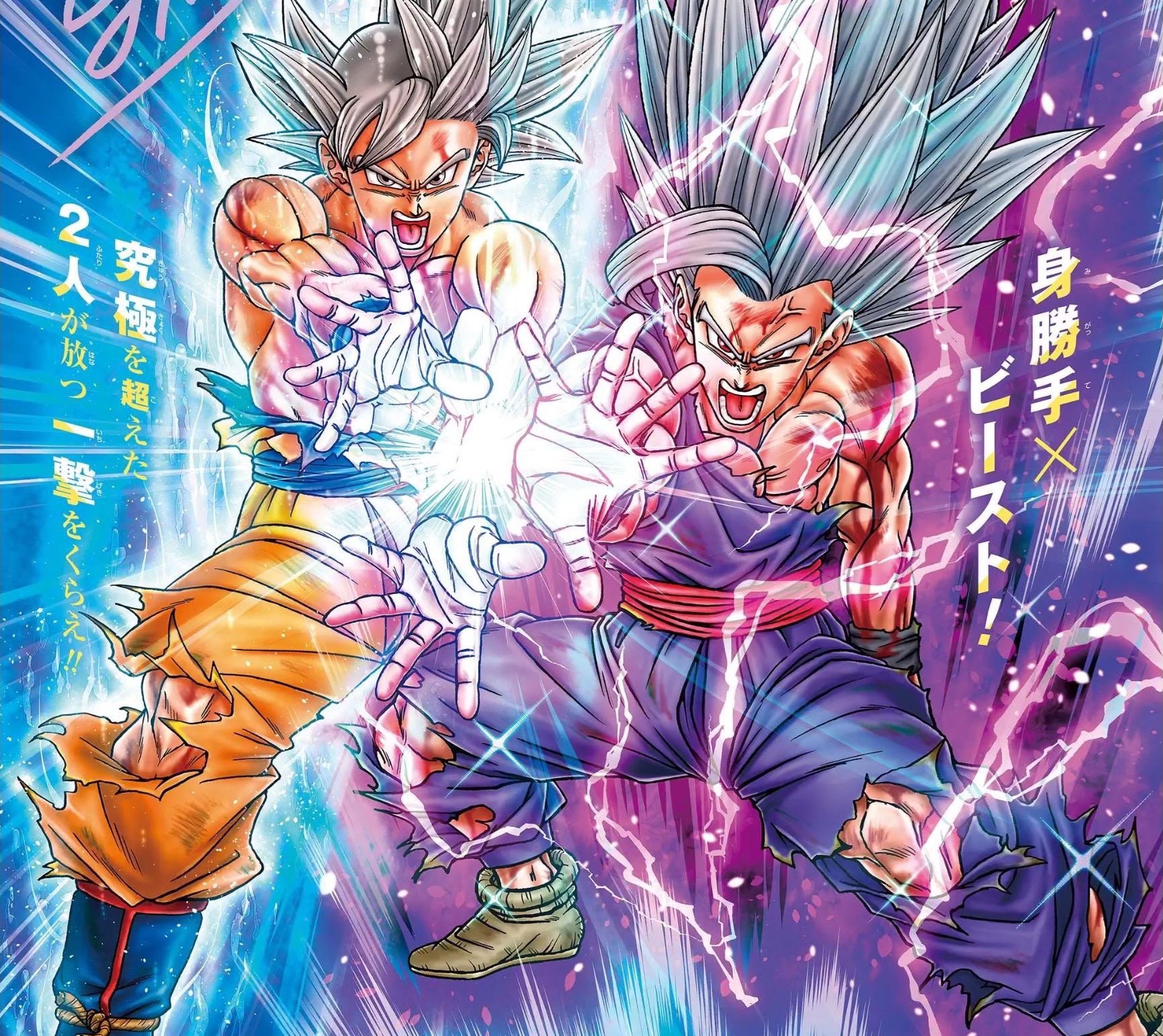
DragonBall is one of the most recognizable franchises in anime history, and because of that, the conversations surrounding it are rarely quiet. Nowhere is this more obvious than on X, where debates about Toyotaro and his artwork ignite almost every time a new chapter, cover illustration, or promotional drawing is posted. What begins as a simple preview often turns into a firestorm of quote tweets, fan edits, side by side comparisons, and emotional arguments about whether Toyotaro is doing justice to the legacy he inherited.
After reviewing the most active discussions on the platform, it becomes clear that Toyotaro has become the centerpiece of a much larger conversation. Fans are not only debating anatomy and line work. They are debating their own expectations for Dragon Ball, their relationship with nostalgia, and the challenge of following one of the most influential artists of all time.
Why Toyotaro Illustrations Trigger Such Intense Reactions
Whenever a new Toyotaro drawing goes live on X, the reaction is immediate. Users begin zooming in on muscle shapes, neck angles, and body proportions, often posting screenshots that highlight what they see as mistakes. A single panel can generate thousands of comments within hours, many of which focus on technical anatomy. These moments become trending conversations because Dragon Ball is a visual franchise first. Fans grew up studying Toriyama’s clean lines and effortless motion, so any deviation from that comfort zone feels jarring.
At the same time, because X is a platform driven by rapid reactions, these conversations expand quickly. One user posts a critique, another exaggerates it for humor, someone else quote posts it with a harsher opinion, and before long the tone becomes heavier than the original comment ever intended. What began as a discussion about one drawing turns into a referendum on Toyotaro’s entire skill level.

The Core Criticisms That Continue to Reappear
The critiques that show up most frequently fall into a few clear patterns. Many fans argue that Toyotaro struggles with realistic anatomy, especially when he draws heavy musculature. They point to chest shapes that appear too rounded, shoulders that seem disconnected from the torso, or necks that look wider than what the body can support. Some viewers also feel that the faces he draws lack variety, leading to characters who appear too similar except for differences in hair or clothing.
Another recurring criticism focuses on motion. Fans often claim that while Toriyama’s action scenes had a natural flow and rhythm, Toyotaro’s fight choreography can appear stiff or overly clean. Certain poses look frozen rather than fluid, and some angles feel constructed instead of instinctive. These patterns appear frequently under chapter previews and magazine scans where fans repost panels with visual callouts.

What Supporters Believe People Are Overlooking
While the negative reactions tend to be louder, a significant portion of fans believe the criticism is exaggerated. Many defenders argue that the level of scrutiny Toyotaro receives is far more intense than what other manga artists experience. They note that fans often dissect his work panel by panel in ways that rarely happened during the original Dragon Ball Z era. Some also remind others that Toriyama himself had off model anatomy and rushed panels that are now remembered fondly rather than attacked.
Supporters frequently point out Toyotaro’s workload as well. A monthly serialization schedule paired with promotional assignments means constant output under tight deadlines. At the same time, he is expected to honor Toriyama’s visual language without copying it outright. These are pressures many fans acknowledge are rarely considered when critiques go viral.

Standout Work That Gets Lost in the Noise
Another point defenders emphasize is that Toyotaro has delivered genuinely strong material in Dragon Ball Super. The Moro arc is often cited as one of his best runs, with praise for panel composition, atmosphere, and character presence. His Ultra Instinct Goku spreads and several Vegeta focused moments are regularly highlighted as proof of growth and confidence in his art. These successes are often overshadowed simply because negative panels circulate faster than positive ones on social media.
Even larger entertainment accounts have weighed in, suggesting that fans may be misreading Toyotaro’s work or exaggerating perceived flaws.

Why Expectations Are Unnaturally High
A major reason the debate stays heated is because Toyotaro is not just any artist. He is the one personally chosen by Akira Toriyama to continue the Dragon Ball Super manga. That reality raises expectations beyond what is reasonable for any successor. Fans are not simply evaluating technical skill. They are measuring emotional authenticity and legacy preservation.
This creates a complicated dynamic. Some fans feel protective of Toriyama’s legacy and see any artistic deviation as a threat to the spirit of Dragon Ball. Others believe Toriyama’s trust in Toyotaro should matter more than visual nitpicking. Since Toriyama’s passing, this tension has only intensified. Every chapter now feels symbolic. Every illustration feels like a test. The criticism carries more emotional weight because it no longer feels like commentary on one artist. It feels like commentary on the future of Dragon Ball itself.
The Three Sides of the Debate
After observing the discussions, three clear groups emerge.
The first group holds the strongest criticisms. They believe Toyotaro’s anatomy issues and stylistic decisions signal a deeper problem and argue that Dragon Ball deserves a higher artistic standard.
The second group consistently defends Toyotaro. They see him as a dedicated successor doing his best under impossible expectations and view much of the criticism as unfair or reactionary.
The third group occupies the middle ground. They acknowledge weaknesses in Toyotaro’s art but reject the dog piling and personal attacks, calling instead for constructive discussion.
Conclusion
The discussion around Toyotaro’s artwork is far bigger than individual panels. It reflects how deeply Toriyama’s art shaped generations, how strongly fans cling to nostalgia, and how difficult it is to step into a legendary role. Whether fans believe Toyotaro is the right successor or still a work in progress, the intensity of the conversation proves one thing without question. Dragon Ball is still culturally powerful, and its community cares deeply about where it goes next.
I'm in agreement with the second group I love toyotaro work and I do believe he's under immense pressure because he's the successor to toriyama's legacy but if anybody can do it proud it's him