

Dragon Ball has always been more than just an anime — it’s a cultural phenomenon that has carried generations of fans through laughter, tears, and jaw-dropping battles. With Dragon Ball Daima, fans are experiencing a series unlike any before it: one rooted in the creative genius of Akira Toriyama, blending humor, new characters, and unseen corners of the Dragon Ball universe. What makes Daima especially significant is that it represents Toriyama’s final, complete vision for the franchise, shaped alongside his dedicated staff.
Through commentary, interviews, and behind-the-scenes notes from producers Iyoku, director Yashima, and animation director Komaki, we gain a rare look into how this series was born, the challenges of bringing it to life, and how the cast themselves — especially Masako Nozawa — feel about returning to this bold new adventure.
The Origins of Dragon Ball Daima
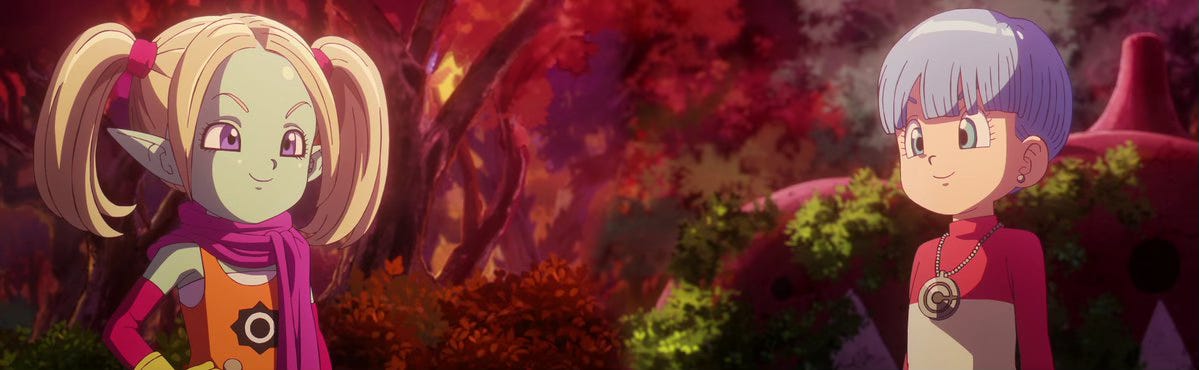
According to Iyoku, discussions about the project began as early as 2018, while Dragon Ball Super: Super Hero was still in production. It wasn’t yet called Daima, but Toriyama already had an idea for something “a little different.” Meetings for the first episode began in 2020, but work stalled for nearly a year before finally resuming in full force.
To establish the series’ tone, a three-minute pilot video was produced. This short piece helped set the visual language: the worldbuilding, color palettes, and the personality of new characters. After being shown to the producers, it received approval — officially greenlighting Daima.
What stands out is how experimental the early process was. Iyoku admitted that neither the format nor release date were set in stone when they began. Without strict constraints, the team focused on creativity rather than schedules, which is why the first episode ultimately became longer than expected.
Toriyama’s Touch on the Demon Realm
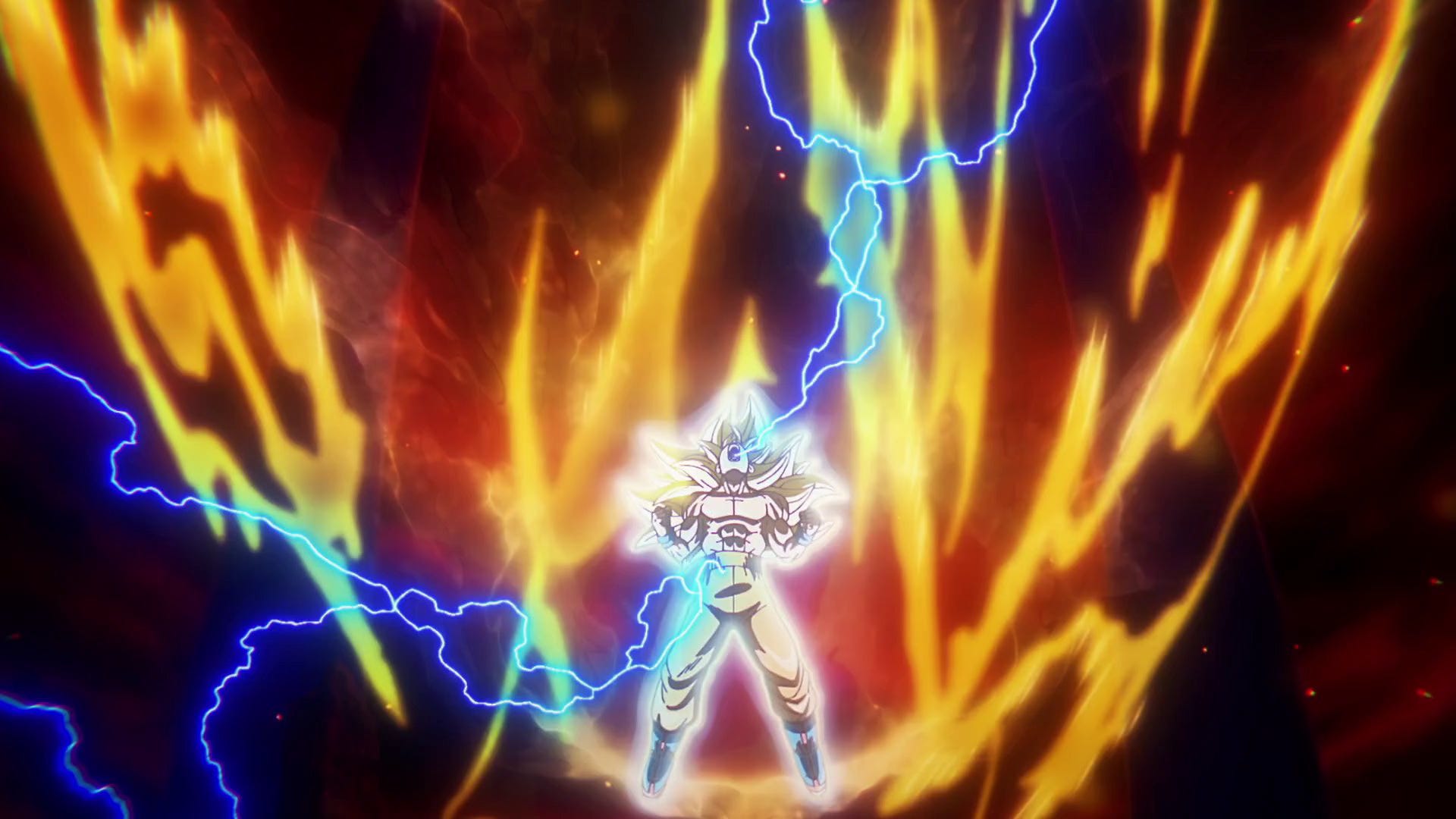
One of Toriyama’s most significant contributions was deciding that the story would take place in the Demon World (Makai). This was an untouched part of the Dragon Ball universe, offering new possibilities beyond the Saiyans, gods, and galactic villains fans had grown familiar with.
Even smaller comedic beats, such as the gag of Warp-sama popping out of his backside, came directly from Toriyama. These details show his enduring love for playful humor, ensuring Daima would carry his distinct personality.
Toriyama also had a particular fondness for elderly characters, which explains the existence of Neva. Iyoku noted that Toriyama enjoyed making older characters endearing, almost protagonist-like. Supervisor Chikashi Kubota and veteran animator Katsuyoshi Nakatsuru brought Neva to life with numerous corrections, even adding more wrinkles to highlight his age.
Creating Gomah, Degesu, and New Characters
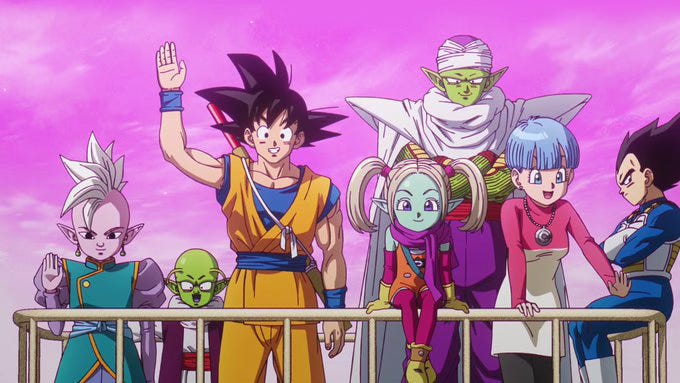
Introducing a cast of new characters was one of the production’s greatest risks. Iyoku admitted he feared fans might resist the absence of Goku, Vegeta, and the other familiar heroes in the early stretches of the series.
Komaki, however, had no such worries. She believed that the lighthearted gags in Toriyama’s draft would win over fans and that characters like Gomah would quickly feel at home in the Dragon Ball world. She was right — Gomah became immediately popular among the production staff, with many animators eager to draw him. Yashima confirmed this, describing how Gomah’s design conveyed his personality so clearly that he was easy to storyboard.
Iyoku explained that with Toriyama, sometimes the characters come first, sometimes the script does. In Gomah’s case, the design clearly existed in Toriyama’s mind before the script — the writing seemed built around the character.
Degesu, meanwhile, was designed to accompany Supreme Kai, deepening the story’s Demon Realm lore. Iyoku described him as a “cool” character, intentionally paired with Shin as almost a butler-like presence.
Production Challenges and Creative Choices
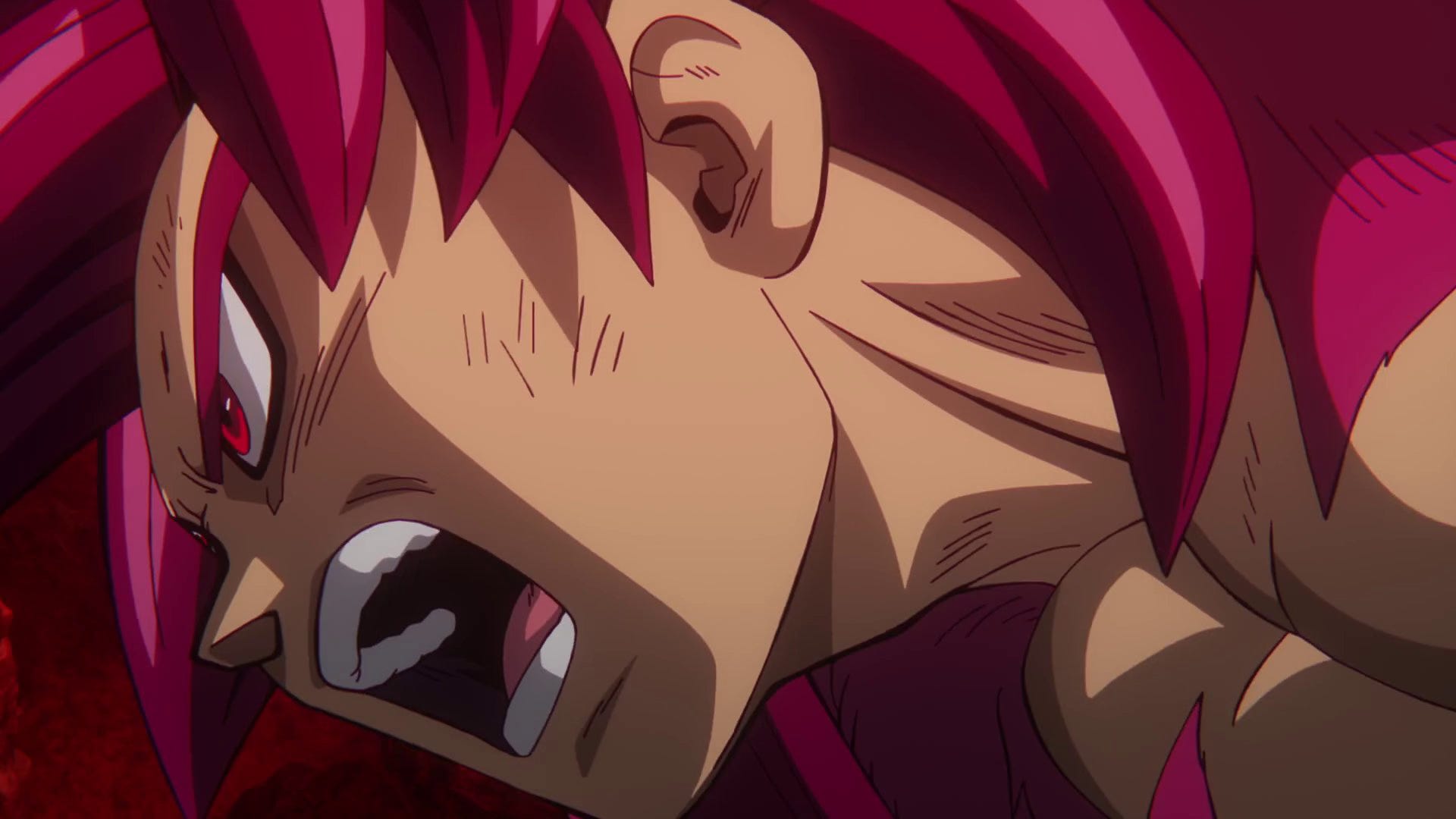
Unlike most anime productions, voice recording for Daima happened after the animation was already colored. Komaki explained this allowed her to direct the actors with specific visuals in mind. Performances for Gomah, Arinsu, and Degesu were deliberately over-the-top, emphasizing their humorous rivalries and interactions.
Iyoku paid close attention to the vocal performances as well. He stressed the importance of capturing the emotions of non-human characters in a way that wasn’t overly complicated. His advice was to approach them with a lighthearted spirit, making them easier to embody.
Animation corrections were frequent. For instance, during the ship scene with Gomah, Degesu, and Neva, Kubota adjusted their movements to make them more charismatic and entertaining.
A Team of Veterans and Newcomers
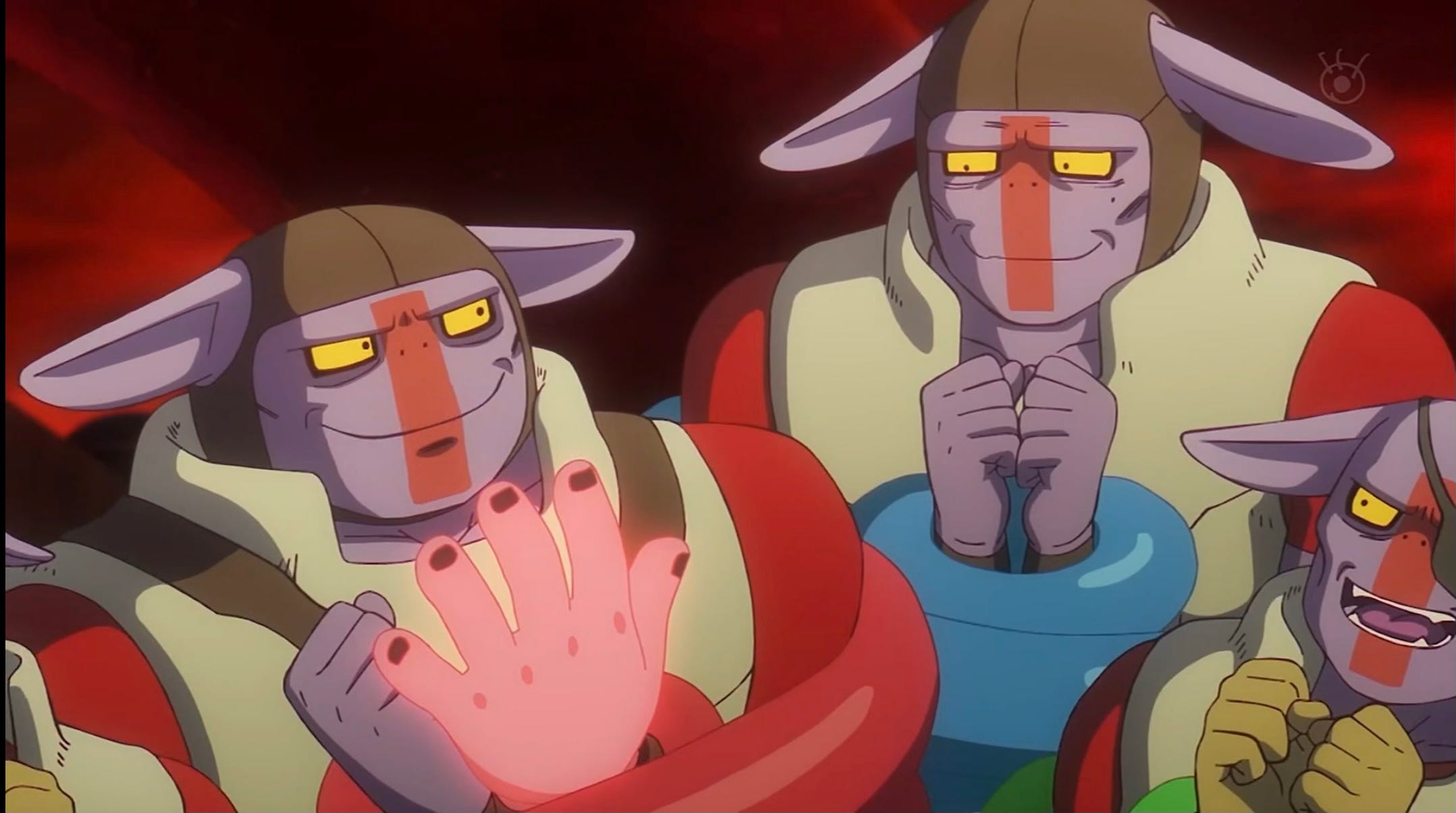
Director Yashima had been watching Dragon Ball since the 1980s but admitted he had missed parts of it along the way. Younger crew members — who had grown up watching the series in order — sometimes corrected him with “No, director, that’s wrong!”
This highlighted the generational shift within the production. Iyoku confirmed that many on staff were working on Dragon Ball for the first time, while others had been with the series for decades.
Komaki, a passionate fan herself, said joining the project was a dream. Reading Toriyama’s draft convinced her instantly to accept. She felt honored to be part of a production where veterans and newcomers worked together, describing it as a blend of gratitude and responsibility.
Hidden Characters and Cut Concepts
Not everything conceived for Daima made it into the final product. For example, Mini Gohan never appeared, but Iyoku revealed that Toriyama still designed him “just in case.” The team even considered including him in an eyecatch, though it ultimately never happened.
Mini Goku: The Heart of Daima
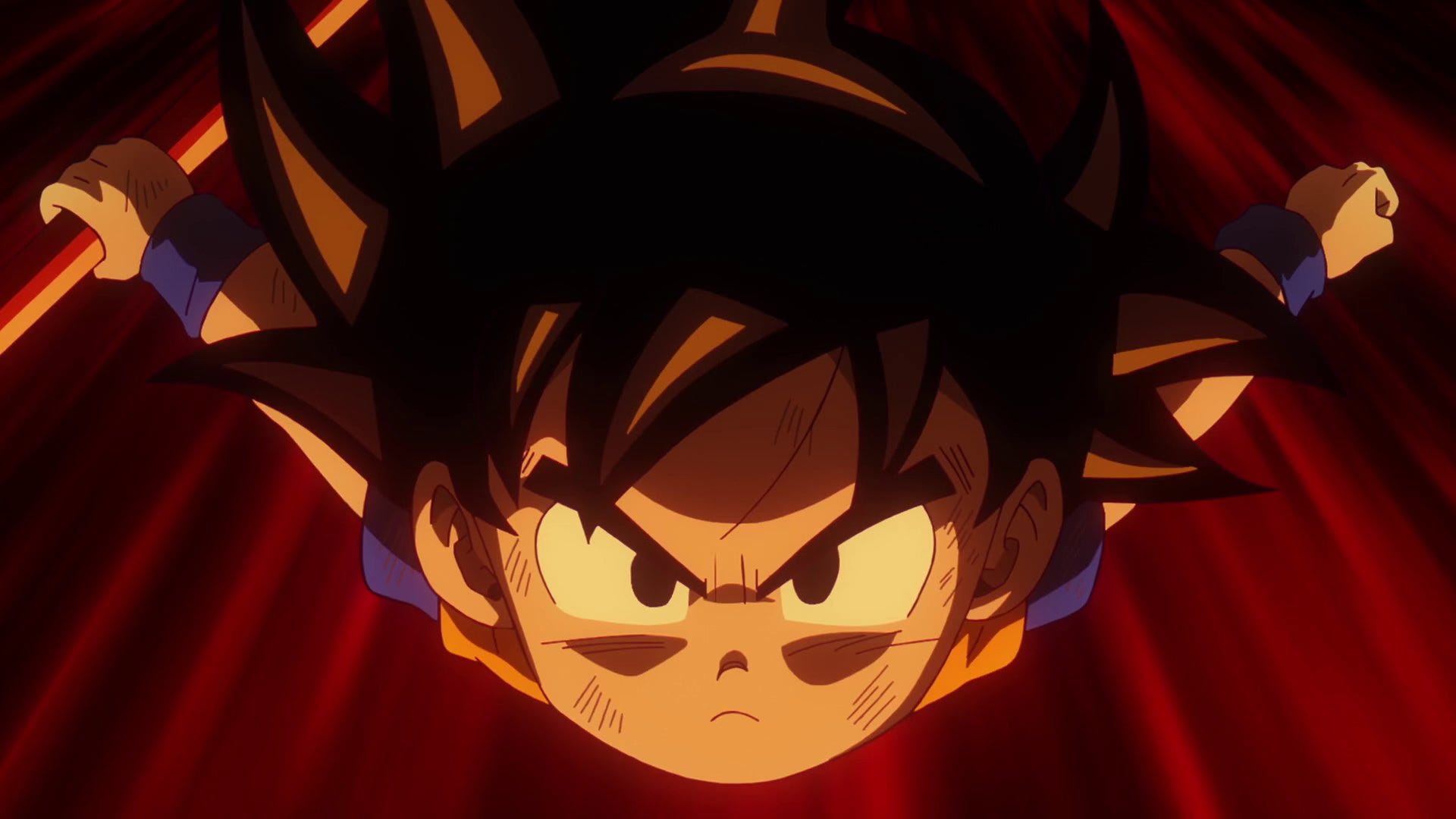
Though younger in appearance, Goku is still unmistakably Goku. Komaki emphasized that Mini Goku embodies the pure essence of the character: his excitement, his innocence, and his love for adventure. Even when others are cautious, he charges forward with shining eyes.
This version of Goku also allowed fans to see a laid-back, playful side of him that often gets lost in high-stakes battles. It reminded audiences of his earliest days in Dragon Ball while still showcasing his courage and sense of justice.
Masako Nozawa on Returning to Goku
For Masako Nozawa, who has voiced Goku for decades, playing him in Daima felt natural — like breathing life into her “other self.” She explained that although years had passed since Goku was last on television weekly, she never felt disconnected from him.
Recording weekly sessions gave her a nostalgic joy, almost as though she herself were adventuring in the Demon Realm. Nozawa also shared that the secret to her energy as Goku lies not in any technique but in her positive outlook and optimism.
She recalled many touching fan interactions, including children giving her small treasures like paper caps and stickers, saying, “I’ll give you my treasure.” These moments reminded her of the love fans have for Goku, treating him like a friend.
Impressions of Gomah and Final Messages
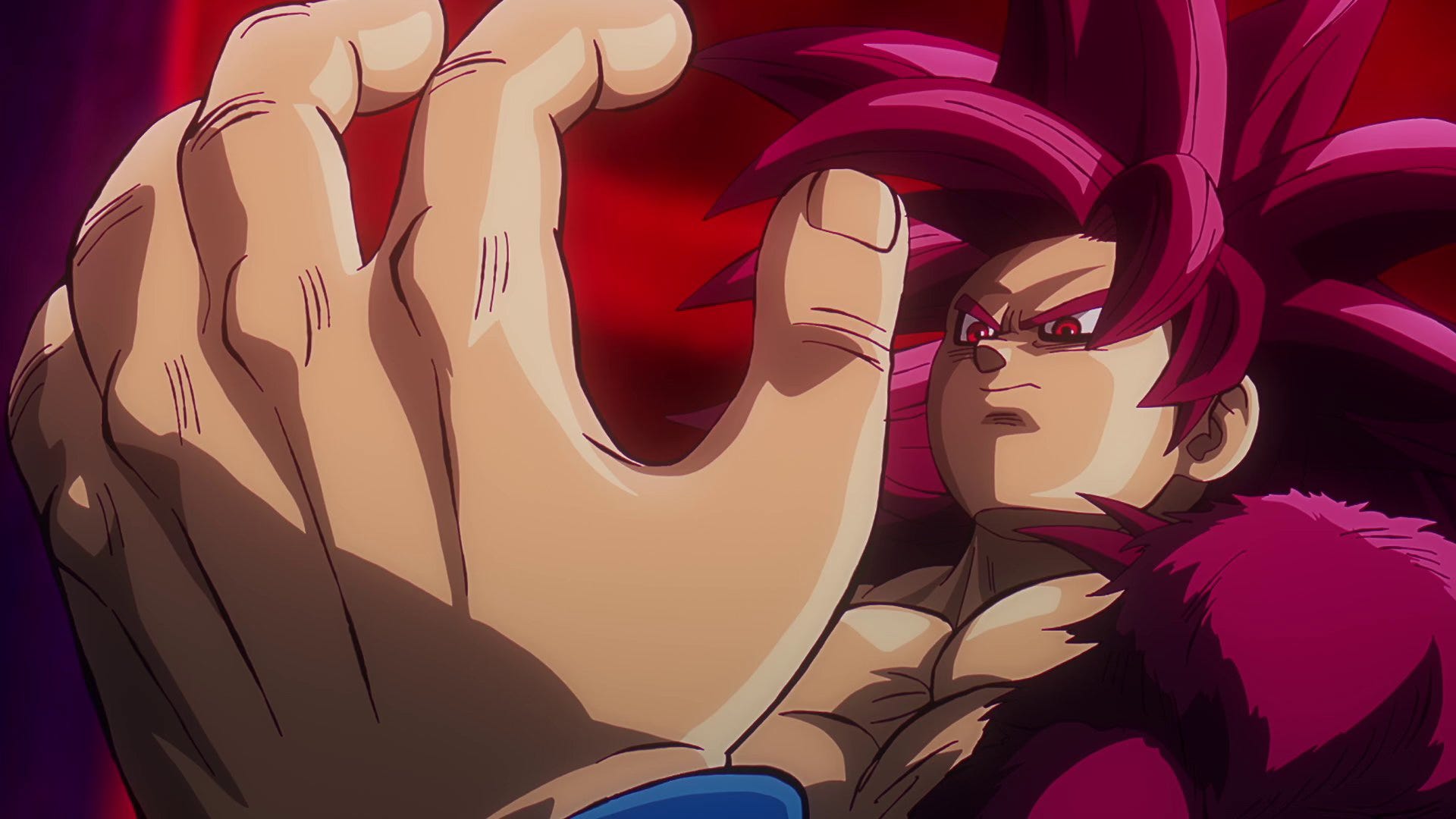
Nozawa’s first impression of Gomah was surprise: “What is with this guy?” She admitted he was tough, especially with the use of items, but felt that Goku would never lose to someone like him. She also noted that Toriyama’s villains are often difficult to truly hate — even Gomah shows timid qualities beneath his bluster.
In her final message to fans who purchased the Blu-ray, Nozawa expressed her gratitude: “Thank you so much for always supporting Goku. From here on too, count on us! Love Dragon Ball forever!”
Daima as Toriyama’s Last Gift
Dragon Ball Daima is more than a spinoff or side story — it is a celebration of Toriyama’s creative spirit. From setting the stage in the Demon World to shaping characters like Gomah and Neva, every detail carries his playful humor and curiosity for new ideas. Combined with the dedication of staff across generations and the irreplaceable energy of Masako Nozawa, Daima stands as a bridge between Dragon Ball’s past and its future.
It isn’t just another chapter — it’s Toriyama’s final gift, one that reminds us why Dragon Ball has remained beloved across the world for decades.

Thanks for reading! Stay tuned and subscribe for more Dragon Ball news, insights, and updates.
In my eyes Dragonball daima was a masterpiece from the artwork the production the story and characters it's one of toriyama greatest works if not the greatest we truly got a chance to see his brilliance at work I'm just grateful we got a chance to see his greatest work one last time because there will never be anything like toriyama sensei ever again but I'm happy they were able to bring his vision to life because Dragonball has always been the greatest anime ever and always will be
Always well written 🤝🏾👏🏾