

If Everyone Can Come Back, Does Death Actually Matter?
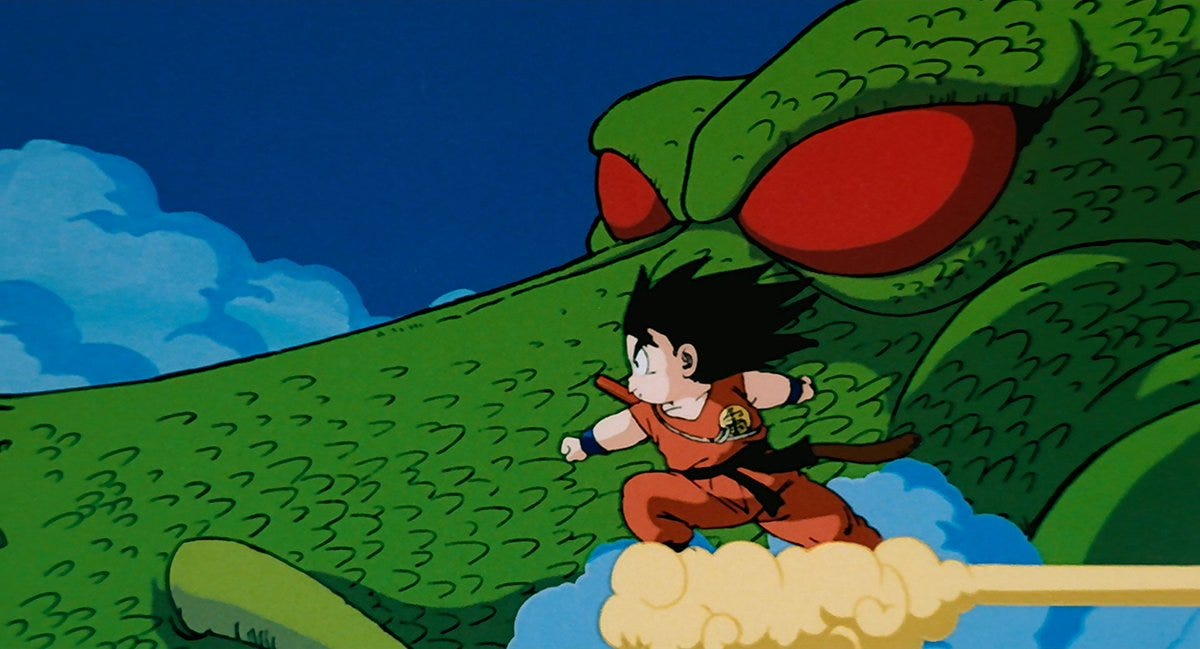
One of the biggest criticisms I’ve heard about Dragonball for years is that death doesn’t matter because the Dragonballs can simply bring everyone back. A character dies, everyone gets emotional, and somewhere in the back of your mind you’re already thinking, “They’re probably going to wish them back anyway.” It’s a fair criticism, especially once the series introduces multiple sets of Dragonballs and expands what those wishes can accomplish. At the same time, I’ve always wondered whether people focus so much on death being reversible that they overlook how important the Dragonballs are to the actual identity of the series.
The franchise is literally called Dragonball. These objects aren’t some convenient plot device Toriyama randomly introduced after realizing he killed too many characters. They are the reason the original adventure begins in the first place. Bulma finding Goku’s four-star Dragonball and convincing him to travel with her sets everything in motion. Without the Dragonballs, Goku doesn’t meet most of the people who eventually become his family and closest friends. So while I understand the argument that they sometimes remove consequences from the story, I don’t think the answer is as simple as saying Dragonball would be better if death were permanent.
The Dragonballs Were Originally About Adventure, Not Reviving Everybody
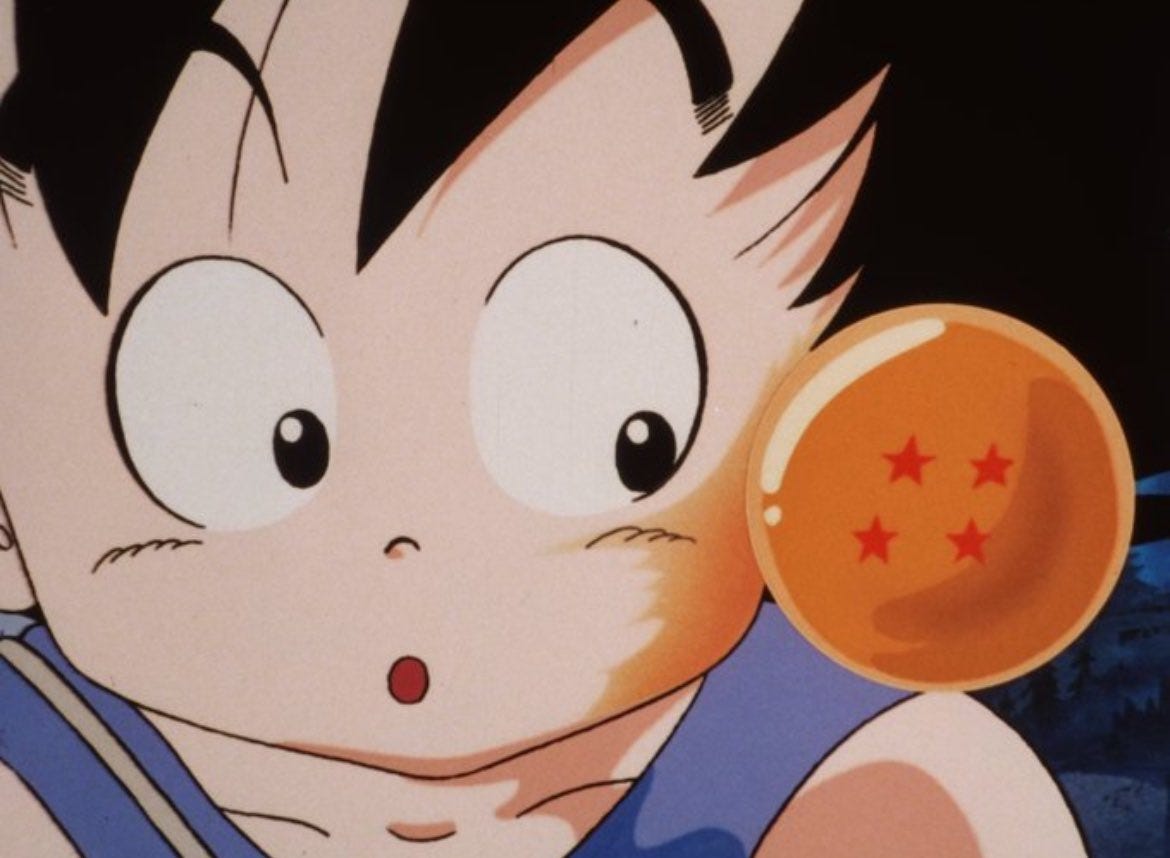
When I go back to the original Dragonball, one thing I love is how mysterious the Dragonballs originally felt. Goku didn’t even understand what they were. The four-star ball was simply something his Grandpa Gohan left behind, and Goku treasured it because of that emotional connection. Then Bulma enters his life and explains that there are seven Dragonballs scattered around the world and that gathering them summons Shenron, who can grant a wish.
That premise creates the entire adventure. Finding the Dragonballs gave Toriyama an excuse to take Goku outside the mountains and introduce him to the world. We meet Master Roshi, Oolong, Yamcha, Chi-Chi, the Pilaf Gang and eventually an enormous cast of characters because of that journey. Later, the Dragonballs become connected to larger pieces of lore involving Kami, Piccolo, Namek and eventually the gods themselves.
That’s why I don’t like when they’re discussed only as resurrection machines. Their purpose in the story is much bigger than bringing dead characters back.
But Yes, Death Eventually Became Less Scary
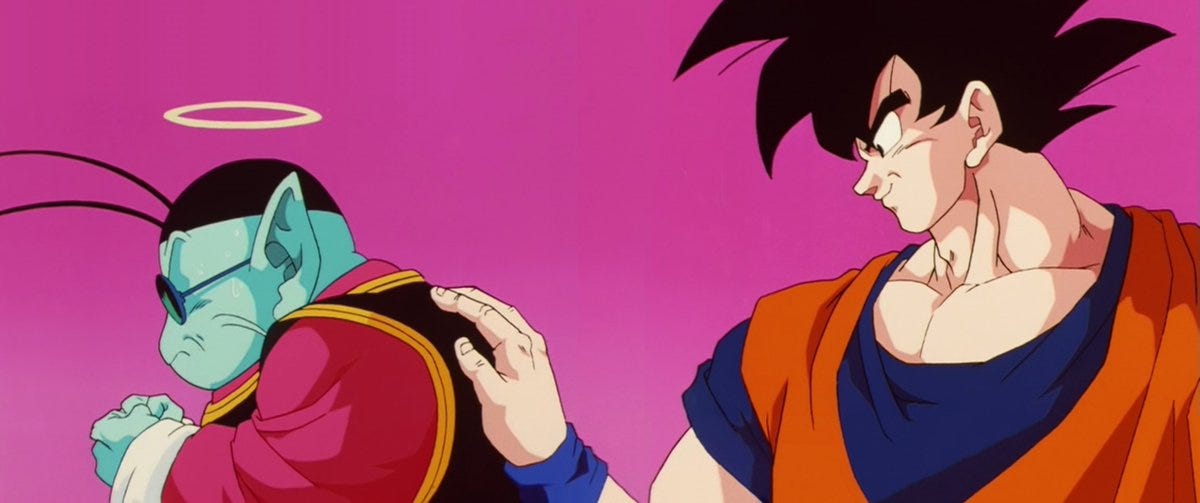
I can still admit that the criticism has some truth to it. As Dragonball continued, resurrection became increasingly common. Characters who died could return through Earth’s Dragonballs, Namek’s Dragonballs eventually offered another option, and later stories introduced even more powerful sets with increasingly ridiculous capabilities.
Eventually, the audience learns the rules. If Earth’s population gets wiped out, there’s probably going to be a wish. If one of the heroes dies under the right circumstances, there’s probably a way to bring them back. If a planet is destroyed, Dragonball has reached the point where even that might not necessarily be permanent.
That changes how we experience danger. When Krillin dies during the King Piccolo Saga, the moment feels terrifying because resurrection isn’t something the characters casually expect. When characters die later in the franchise, experienced fans are naturally more skeptical. Before we’ve even finished mourning them, we’re already thinking about which Dragonballs are currently available. I completely understand why some people think that hurts the stakes.
Permanent Death Isn’t the Only Type of Consequence
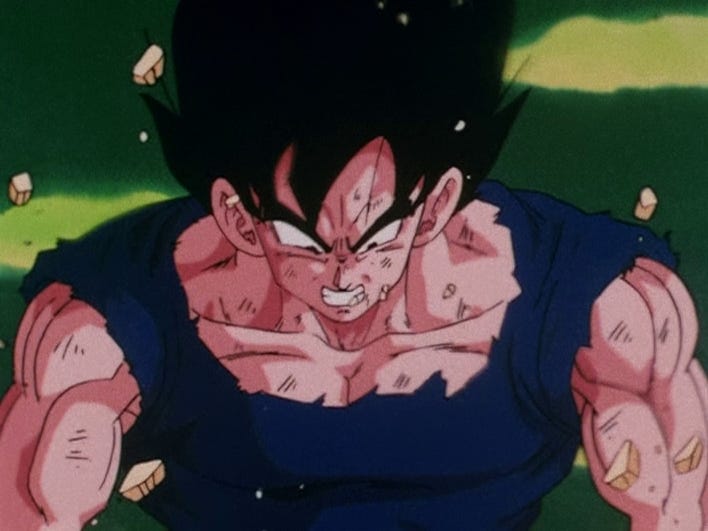
Where I disagree with the criticism is the assumption that a death only matters if the character stays dead forever.
Krillin coming back doesn’t erase what his first death did to Goku. Piccolo eventually returning doesn’t erase Gohan watching him sacrifice himself against Nappa. Goku returning doesn’t erase the consequences of his sacrifice against Cell or the years he missed with his family afterward. Vegeta being revived doesn’t suddenly make his Final Explosion meaningless because his willingness to die for Bulma, Trunks and everyone else represented enormous character growth.
The emotional importance of those scenes comes from what the characters believed at that moment. Vegeta wasn’t standing in front of Majin Buu thinking that everything would be fine because somebody could eventually wish him back. He believed he was sacrificing himself. That’s why the moment matters.
Death can affect characters even when it isn’t permanent. What someone chooses to do when they believe they’re about to die can reveal more about them than whether the story eventually resurrects them.
The Namek Saga Shows Why the Dragonballs Can Improve the Plot
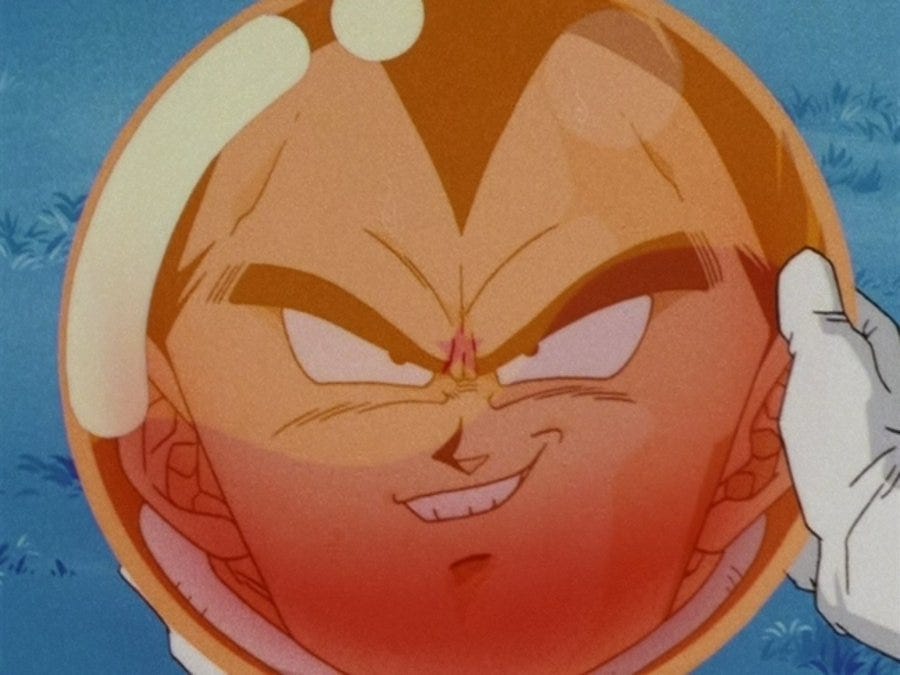
I think the Namek Saga is one of the strongest arguments for why the Dragonballs can be an excellent storytelling device. The entire conflict revolves around different groups wanting them for completely different reasons. Gohan, Krillin and Bulma need the Namekian Dragonballs because Earth’s Dragonballs are gone after Piccolo’s death. Vegeta wants immortality because he believes it’s his opportunity to eventually overthrow Frieza. Frieza wants immortality because despite ruling over countless worlds, the one thing he cannot control is his own mortality.
Suddenly, the Dragonballs aren’t fixing the story after the conflict. They’re creating the conflict.
That distinction matters. Frieza’s obsession with immortality tells us something about his character. He possesses unimaginable power and controls an empire, yet the idea of eventually dying terrifies him. Vegeta wants the same wish because he’s spent his entire life under Frieza’s control and sees immortality as his opportunity to finally escape it.
The Dragonballs aren’t weakening the story there. They’re strengthening it.
Resurrection Becomes a Problem When It’s Too Convenient
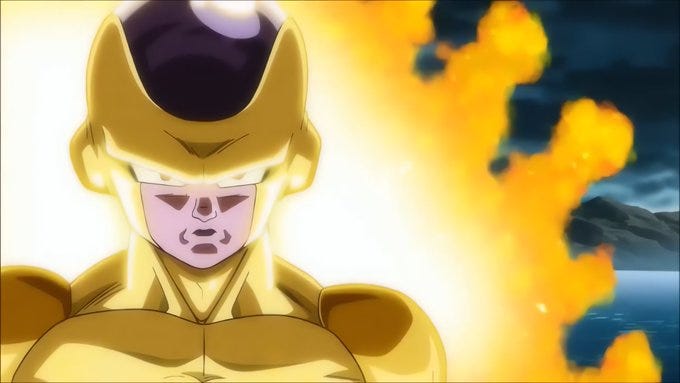
Where I think Dragonball occasionally hurts itself is when the Dragonballs stop feeling like something characters have to struggle for.
The original series required an actual journey. The Dragonballs were scattered around the world, there were enemies searching for them, Shenron had limitations, and after a wish the balls scattered again. Namek made things even more complicated by introducing a different language, different rules and a race against Frieza and Vegeta.
When obtaining a wish becomes too easy, the tension naturally decreases.
That’s the real problem to me. It isn’t simply that resurrection exists. It’s whether the story makes resurrection feel earned. If the heroes have to survive an entire adventure, protect the Dragonballs from a villain, understand their limitations and make difficult decisions about which wish matters most, then the Dragonballs can create tension. If someone can simply collect them immediately after every disaster and undo everything, they start feeling less like mystical objects and more like a reset button.
GT Asked an Interesting Question About Their Overuse
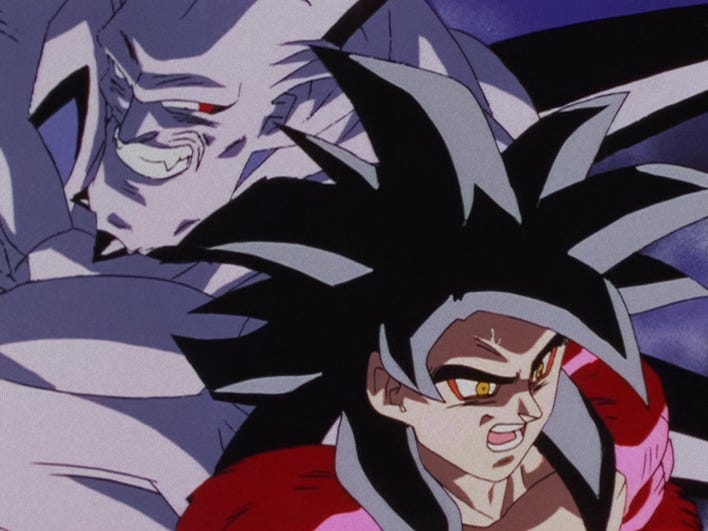
This is one reason I’ve always found Dragonball GT’s Shadow Dragon concept so interesting, regardless of how anyone feels about GT overall. The idea that repeatedly relying on the Dragonballs could eventually have consequences makes perfect sense for this franchise.
The heroes had spent years using wishes to repair disasters. Eventually, GT asks what happens when that reliance creates a problem of its own. The Dragonballs, which had saved everyone countless times, become the source of the final threat.
I think that’s a fascinating idea because it addresses one of the biggest criticisms of the franchise from inside the story itself. It essentially asks the same question fans have been asking for years: what happens when people become too dependent on miracles?
Future Trunks Shows Us Dragonball Without That Safety Net
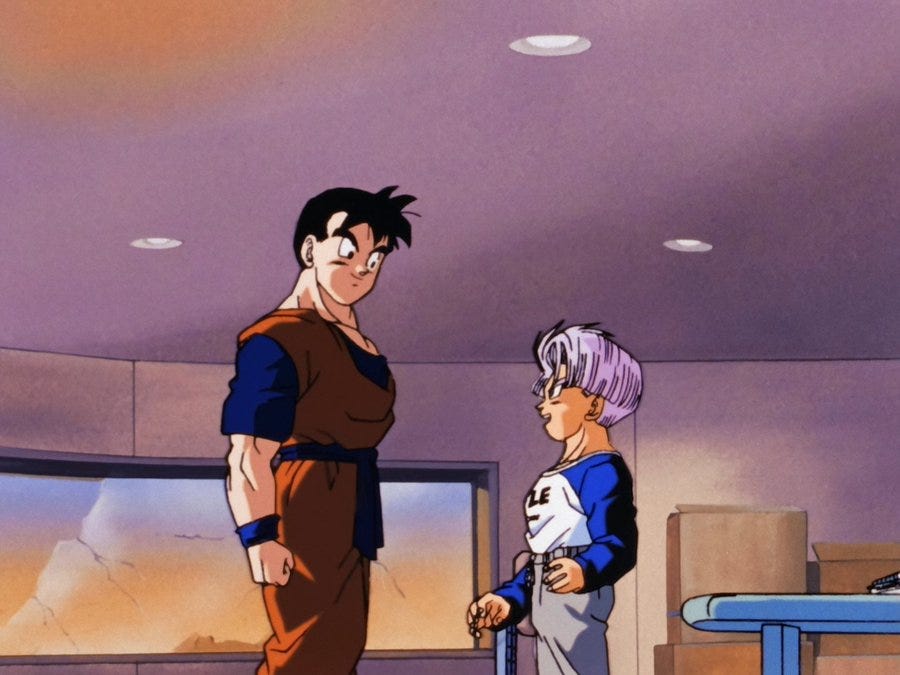
Future Trunks’ timeline might actually be the best evidence that the Dragonballs do reduce the consequences of death because we get to see what happens when they’re gone.
Future Gohan dies, and there isn’t a convenient wish waiting to undo it. Piccolo’s death means Kami dies, which means Earth’s Dragonballs disappear as well. The Androids continue destroying civilization, and Trunks grows up in a world where losing someone actually means they’re gone.
Look at how different that version of Dragonball feels.
The entire atmosphere becomes darker because the safety net has disappeared. Future Trunks doesn’t grow up expecting miracles. Every person he loses changes his world permanently.
I think that contrast proves both sides of this argument. Removing the Dragonballs absolutely increases the fear surrounding death, but it also shows how important they are to the hopeful nature of the main timeline.
Would Dragonball Actually Be Better If Death Were Permanent?
I think Dragonball would certainly be different, but I don’t necessarily think it would be better.
Imagine permanently losing Krillin after the King Piccolo Saga. Imagine Piccolo never returning after Nappa kills him. Imagine Goku’s death against Cell being the permanent end of his story. Imagine Vegeta’s sacrifice against Buu actually removing him from the franchise forever.
Those moments would undoubtedly carry enormous consequences, but we would also lose decades of character development that came afterward. Piccolo would never develop into the character we know today. Vegeta would never complete much of his growth as a husband, father and protector. Goku would never continue his journey into the world of gods.
Permanent death creates stakes, but it also closes doors. Sometimes bringing a character back gives the story an opportunity to take that character somewhere more interesting.
Final Thoughts
Do the Dragonballs make death feel less permanent? Absolutely. After watching enough Dragonball, it’s difficult to pretend otherwise. When a major character dies, most longtime fans immediately start thinking about whether they can be revived.
But I don’t think “death means nothing” tells the whole story.
Krillin’s deaths mattered because of what they did to Goku. Piccolo’s sacrifice mattered because of what it revealed about his relationship with Gohan. Goku’s sacrifice against Cell mattered because he chose to give his life for everyone else. Vegeta’s Final Explosion mattered because of what it represented for a man who once cared about nobody but himself. Their eventual resurrection doesn’t erase the decisions they made or the effect those moments had on the people around them.
The Dragonballs can sometimes weaken consequences, but they’re also responsible for creating adventures, conflicts, mythology and some of the most important moments in the franchise. Without them, Dragonball wouldn’t simply have higher stakes. It wouldn’t really be Dragonball.
So maybe the better question isn’t whether the Dragonballs hurt the story because they can reverse death. Maybe it’s whether Dragonball does enough to remind us that even when death can be reversed, the choices characters make before that wish still need to have consequences.
To me
In OG dragon ball help
Dragon ball z hurt em if u wanna count gt cause of them wishes makin the dark star
I think the Dragonballs are necessary because they're always different consequences whenever a character uses the Dragonballs no matter if they're good or evil it will be hard to watch dragon Ball without the dragonBalls that's why I definitely agree with your take about trunks timeline because having the Dragonballs will always create good and bad moment's