

Since When Did Watching Anime in English Make You Less of a Fan?
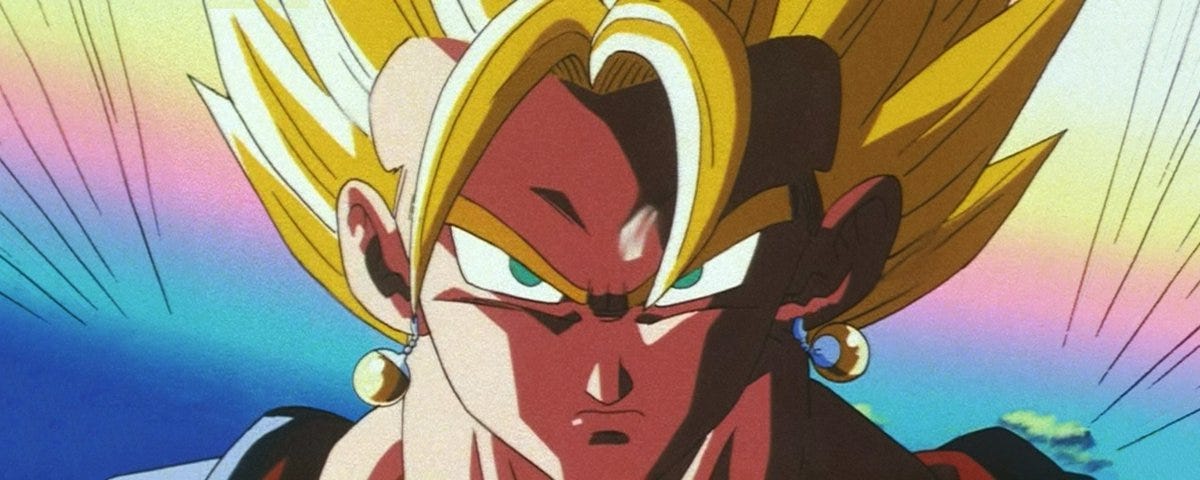
One thing I’m genuinely tired of seeing in the anime community is people acting like watching the English dub somehow makes you less of a fan. It happens with plenty of anime, but when it comes to Dragonball Z, I find the argument especially ridiculous. We’re talking about a franchise whose English-language adaptation helped introduce an entire generation of viewers to anime. Yet somehow, people will sit online and tell you that you’re not experiencing Dragonball correctly unless you’re watching it in Japanese.
I love Dragonball. I’ve spent years watching it, discussing its characters, studying its lore, and appreciating Akira Toriyama’s work. I don’t need somebody telling me that my experience is less authentic because I prefer hearing Goku, Vegeta, Piccolo, and the rest of the cast speak English. There’s nothing wrong with preferring the Japanese version, but there’s a difference between having a preference and treating everybody else’s preference as inferior. The English dub is an important part of Dragonball’s history, and I’m tired of people pretending otherwise.
The English Dub Helped Build Dragonball’s Audience
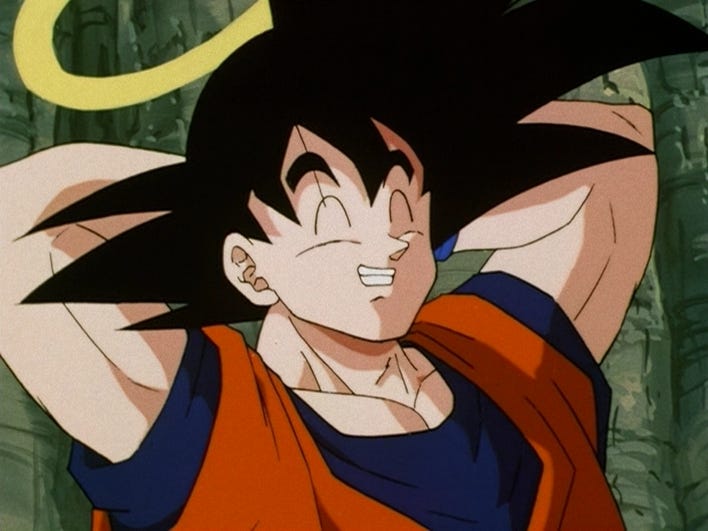
We need to acknowledge just how important the English dub was to Dragonball’s international success, particularly in North America. When Dragonball Z became a major part of Toonami’s programming on Cartoon Network, it introduced countless children to a type of animated storytelling they weren’t accustomed to seeing on American television. We were watching serialized battles, characters training for entire arcs, villains becoming allies, and transformations that people would still be talking about decades later.
For many of us, the English dub was our introduction to all of that. We came home from school, turned on Toonami, and watched Goku fight Frieza, Gohan confront Cell, and Vegeta struggle with his pride. We weren’t sitting there debating translation accuracy or comparing performances between voice actors. We were enjoying Dragonball because the story was reaching us in a language we understood.
That accessibility matters. The English dub helped Dragonball connect with viewers who might never have discovered the franchise otherwise. It became part of our childhoods, influenced our interests, and helped create a fan community that continues to support Dragonball today. Dismissing that contribution because the dialogue wasn’t originally recorded in Japanese ignores an important part of how the franchise grew outside Japan.
Stop Acting Like Japanese Audio Is the Only Authentic Way to Enjoy Anime
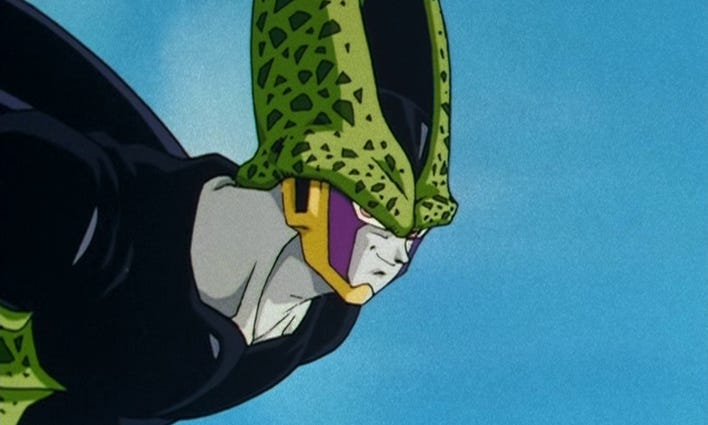
I think some fans have developed this strange mentality where anything associated with Japanese culture must automatically be considered superior, while localized versions are treated as lesser experiences. They’ll praise the Japanese voice actors, which is perfectly reasonable, but then turn around and insult people who prefer English performances.
I don’t understand why appreciation has to turn into superiority.
Dragonball is a Japanese creation. Akira Toriyama created the story, characters, and world that we love. The Japanese cast deserves tremendous respect for bringing those characters to life, and Masako Nozawa’s contribution to Goku’s legacy is undeniable. None of that changes simply because somebody chooses to watch the English dub.
You can appreciate Japanese culture without making it your entire personality or using it to belittle people. Respecting the original language doesn’t require disrespecting the actors who helped bring the same story to audiences around the world. Both versions can have value, and neither preference should determine whether somebody is considered a legitimate fan.
The English Voice Actors Made These Characters Iconic to an Entire Generation
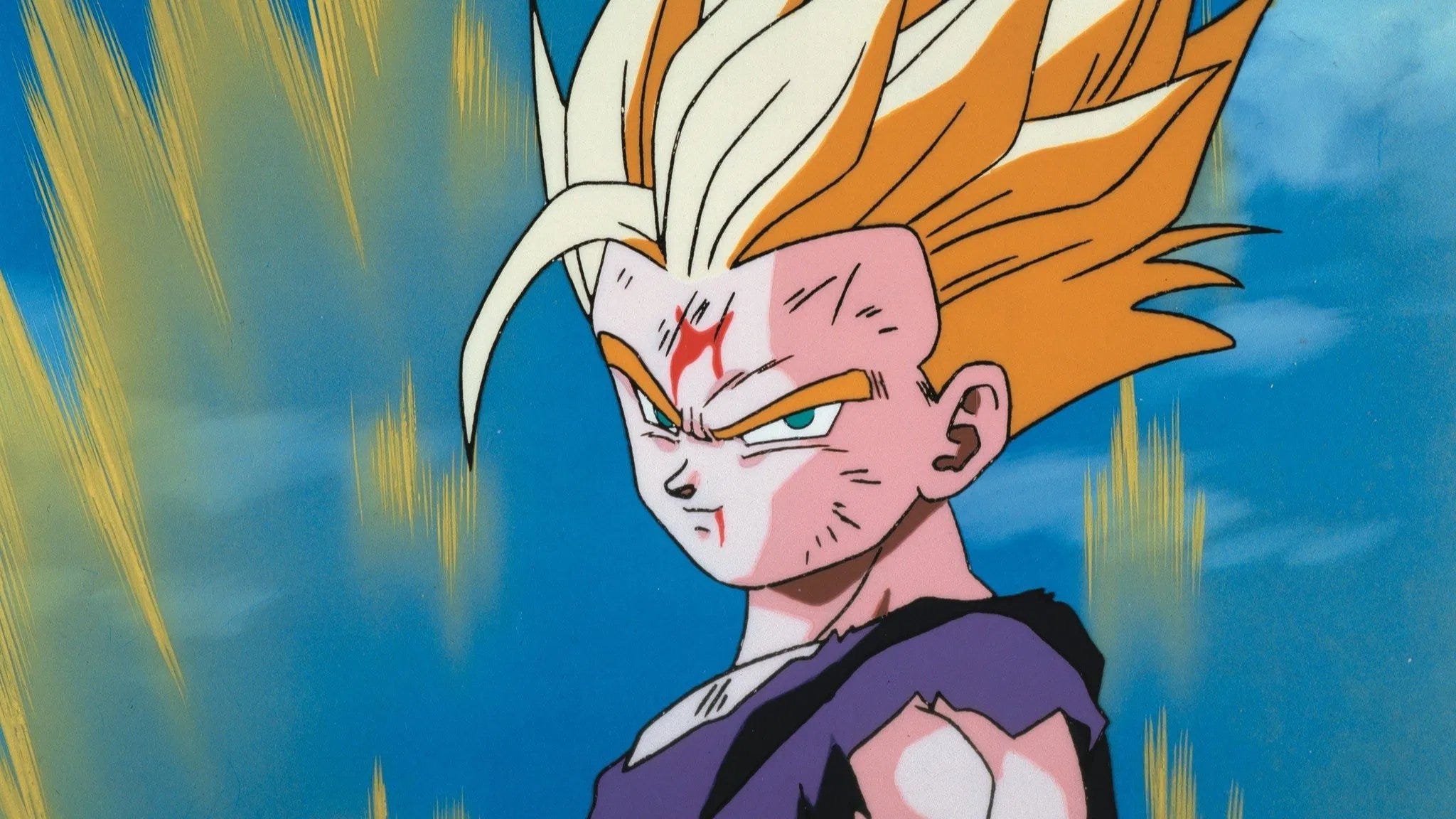
When I think about Dragonball Z, certain voices immediately come to mind. Sean Schemmel’s Goku, Christopher Sabat’s Vegeta and Piccolo, and Sonny Strait’s Krillin are deeply connected to how I experienced these characters growing up. Those performances helped establish the personalities, emotions, and relationships that made the series memorable to English-speaking audiences.
Think about how many fans associate Vegeta’s pride and anger with Sabat’s performance. Think about Goku’s transformation into a Super Saiyan and the emotional intensity of hearing him confront Frieza. Think about Piccolo’s relationship with Gohan and how his voice changes depending on whether he’s threatening an enemy or showing concern for someone he cares about.
These actors didn’t create the characters, but they contributed to how millions of viewers experienced them. Voice acting isn’t simply reading translated dialogue into a microphone. It requires interpreting emotions, understanding a character’s personality, and delivering a performance that connects with the audience.
The Japanese cast deserves recognition for its work, and so does the English cast. Those statements shouldn’t be controversial.
Watching in Your Own Language Can Make the Story More Accessible
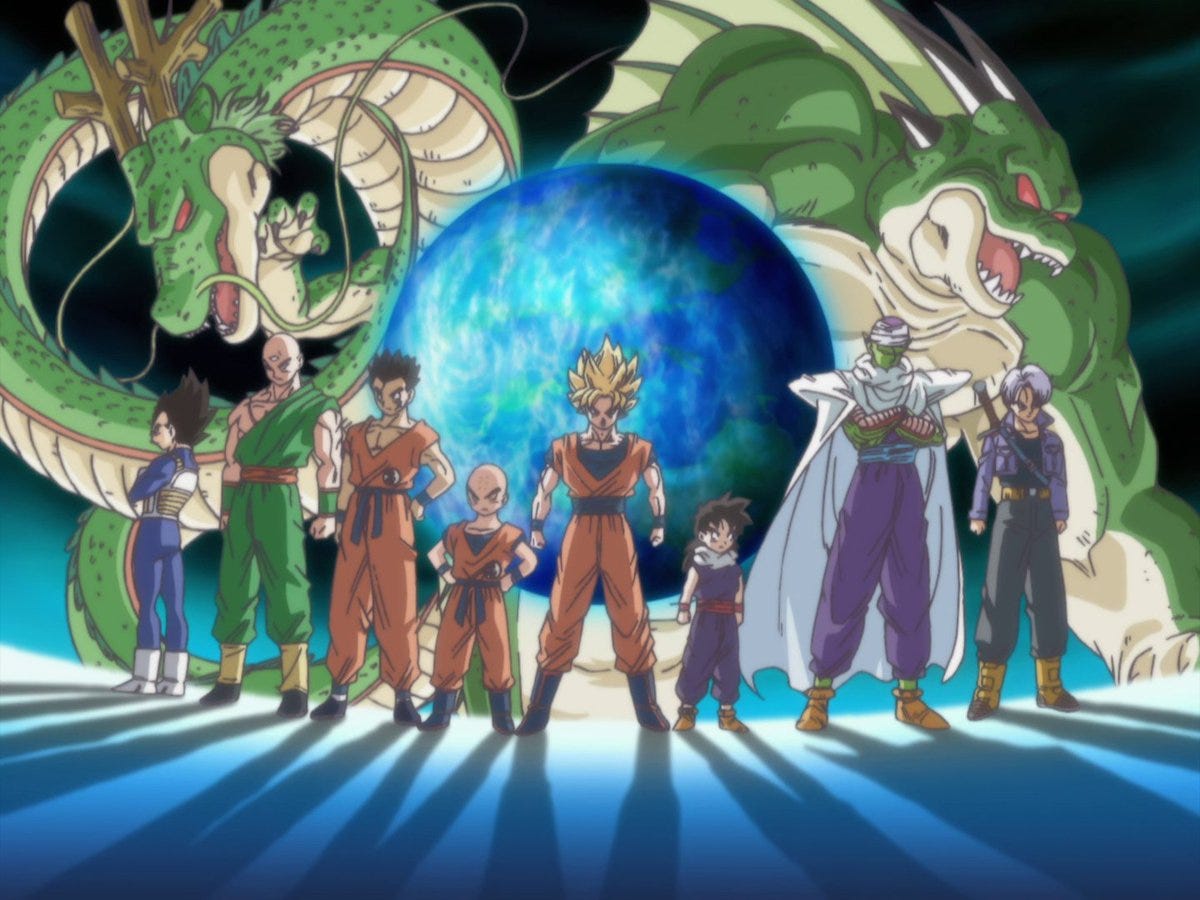
I think people sometimes forget that anime is supposed to be enjoyed. Not everyone wants to read subtitles while watching a fight. Not everyone processes dialogue at the same speed. Some people have visual difficulties, reading challenges, or simply prefer focusing on the animation without dividing their attention between the action and the bottom of the screen.
And some people just like watching television in their own language.
Why does that need an explanation?
When I’m watching Goku and Frieza fight on Namek, I want to enjoy the animation, the dialogue, and the emotional intensity of the moment. If hearing the characters speak English makes that experience more enjoyable for me, then that’s how I’m going to watch it.
Someone else might feel exactly the same way about the Japanese version. That’s fine. Their experience doesn’t invalidate mine, and mine doesn’t invalidate theirs.
The entire purpose of localization is to make a work accessible to another audience. Acting like people are wrong for taking advantage of that accessibility defeats the purpose.
Knowing Japanese Dialogue Doesn’t Make You More Knowledgeable About Dragonball
This is where the conversation starts crossing into the gatekeeping that I already dislike within the Dragonball community.
Some fans act like watching the Japanese version automatically means they understand the characters better than someone who watches the dub. They’ll use someone’s audio preference as an excuse to question whether they’ve actually watched the series or understand Toriyama’s writing.
But knowledge doesn’t work that way.
You can watch every episode in Japanese and still misunderstand Goku’s character. You can watch the English dub and have an excellent understanding of the story. You can read the manga, compare translations, research production history, and develop a deeper appreciation for the franchise regardless of which audio track you prefer.
If we’re discussing a specific line that was changed during localization, then yes, the original Japanese dialogue and manga can help clarify what was intended. That’s a matter of examining the source material, not proving that one group of fans is inherently superior.
Your ability to understand Dragonball isn’t determined by whether you’re listening to Japanese or English.
The Dub Is Part of Dragonball’s Legacy Whether You Like It or Not
At this point, I don’t think the English dub needs to prove its importance to anybody. Its impact is already part of Dragonball’s history. It helped establish the franchise in North America, introduced countless viewers to anime, and gave generations of fans performances they continue to associate with their favorite characters.
You don’t have to prefer it. You don’t even have to like it.
But dismissing its contribution because you personally enjoy the Japanese version doesn’t make sense to me. The franchise has room for different interpretations and different experiences, especially when those adaptations have helped introduce more people to the original work.
I would much rather see somebody discover Dragonball through the English dub and eventually become interested in the manga or Japanese version than watch fans discourage newcomers because they’re supposedly consuming the series incorrectly.
We should want more people enjoying Dragonball, not fewer.
Final Thoughts: Your Audio Preference Doesn’t Determine Your Fandom
I’m tired of the idea that watching Dragonball Z in English somehow makes somebody less of a fan. I’m tired of people treating Japanese audio as a badge of superiority, and I’m especially tired of seeing fans dismiss an adaptation that played such an important role in bringing Dragonball to international audiences.
I respect the Japanese cast. I respect Toriyama’s original work. I understand the importance of accurate translations, and I have no problem acknowledging that certain decisions in the older English adaptations deserve criticism. But none of that means I have to abandon the version of Dragonball that helped make me fall in love with the franchise.
The English dub matters. Its actors matter. Its history matters. And the fans who grew up watching it are just as entitled to enjoy and discuss Dragonball as anyone else.
If you prefer subtitles, watch subtitles. If you prefer the dub, watch the dub. If you enjoy both, even better. There is no reason something as simple as an audio preference should become another excuse to question somebody’s love for the series.
Dragonball belongs to the fans who love it, regardless of what language they choose to hear it in.

Blvckbulmaa you really cooked with this one I and agree your take from top to bottom the English dub has always been great to me because it's how I started watching anime and don't get me wrong the Japanese version is great too but the English dub will always have a special place in my heart